A viral moment just turned into a full-blown cultural debate. When DJ Vlad questioned a father’s decision to gift his son 40 acres of land instead of stocks, social media lit up — and the conversation quickly went deeper than money.

What started as a proud parenting moment quickly became one of the most talked-about debates online this week.
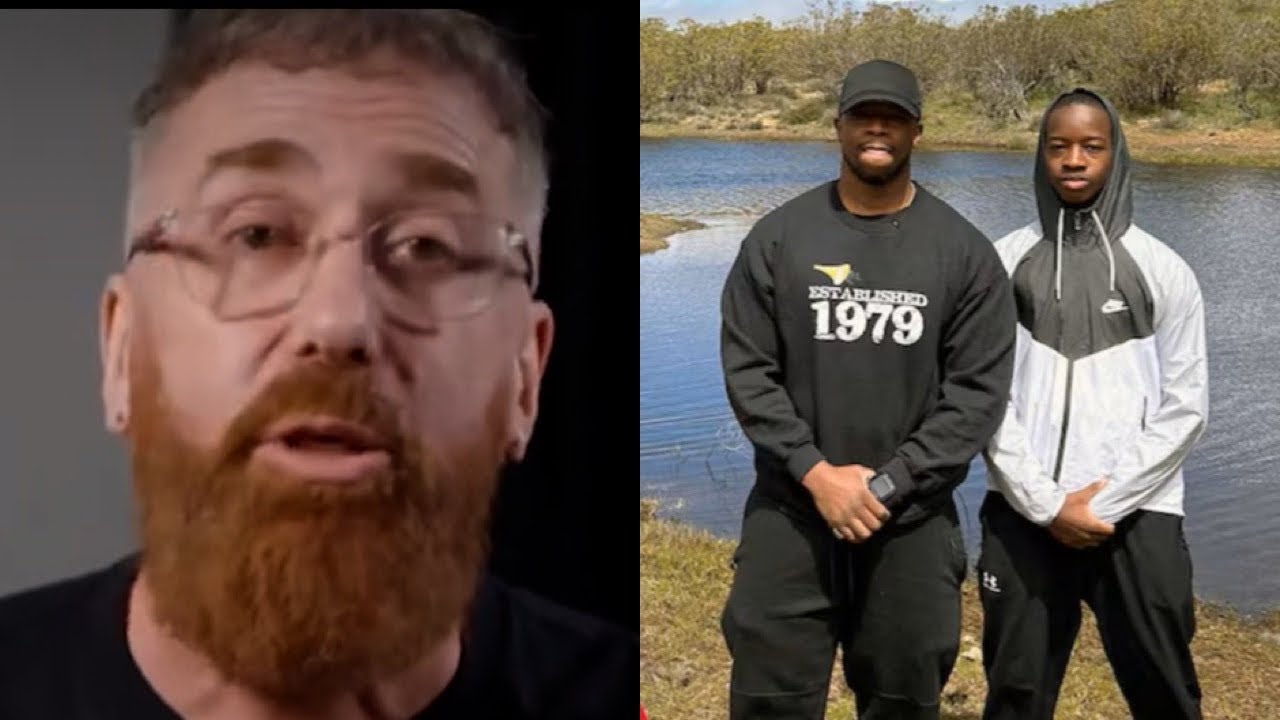
A father from California shared that he bought his 15-year-old son 40 acres of land — not flashy cars, not luxury items — but something he believed could grow into long-term value. His message was clear: build legacy, not just moments.
But not everyone saw it that way.
Shortly after the video spread, DJ Vlad publicly challenged the move. He argued that undeveloped land — especially far from major cities — might not appreciate quickly and could require significant investment to become profitable. In his view, stocks offer a more efficient and flexible path to wealth-building.
That take didn’t sit well with many.
Critics pushed back almost immediately, pointing out that stocks carry their own risks and that land ownership has historically been a foundation for generational stability. For some, land represents more than just financial return — it’s about control, roots, and long-term security.
Media personality Big Ant was among those who spoke out, defending the father’s decision. He called for respect around how families choose to invest in their future, emphasizing that different strategies reflect different realities and goals.
And that’s where the conversation really shifted.
This isn’t just about land vs. stocks — it’s about perspective.
Some voices, especially from Southern regions in the U.S., highlighted that land in developing areas has steadily increased in value over time, offering both opportunity and stability. Others leaned toward more traditional financial markets, arguing for liquidity and faster returns.
Two paths. Same goal: building something that lasts.
As the debate continues, one theme keeps surfacing — respect. Many are calling for a more balanced conversation, recognizing that wealth-building isn’t one-size-fits-all. Different communities, experiences, and visions naturally lead to different choices.
In the end, what began as a birthday gift has evolved into a wider reflection on legacy, identity, and the many ways people try to create a better future for the next generation.