Prince Harry has dramatically abandoned his flagship charity, Sentebale, following a scathing Charity Commission review and public fallout with its current leadership. This stunning exit not only threatens the future of the organization dedicated to vulnerable African children but also leaves a cherished legacy — tied deeply to Princess Diana — in jeopardy.
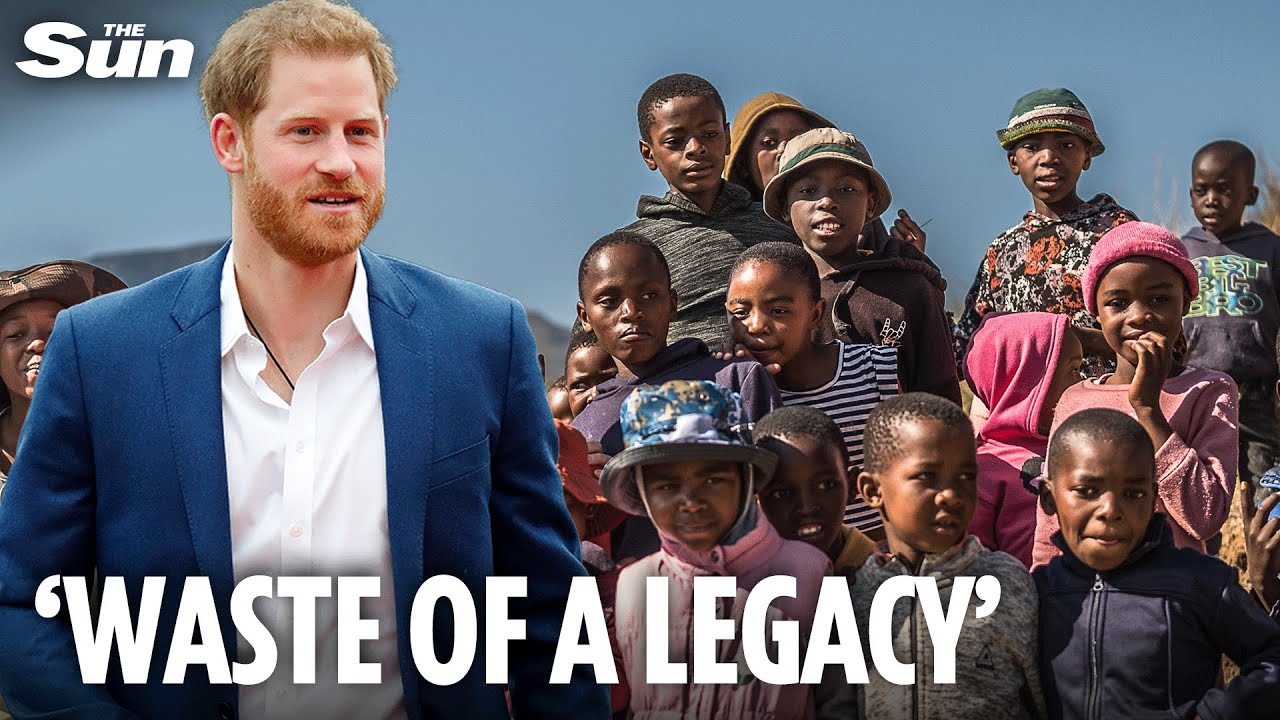 The charity, founded by Harry in 2006 in memory of his mother, was a beacon of hope for children suffering from HIV/AIDS in Lesotho and Botswana. Once hailed for its profound impact, Sentebale now faces uncertainty after Harry flung the door shut on continued involvement amid boardroom battles and controversy.
Tensions erupted between Harry and a key trustee, a Zimbabwean lawyer who criticized Harry’s influence on the charity’s finances and operations since his departure from the royal family. This public falling out escalated to a full Charity Commission investigation, shining a harsh spotlight on internal chaos and leadership rifts.
Despite expectations that the investigation might oust the trustee, the ruling instead stopped short of demanding removals but sharply criticized governance on all sides. The report suggested Harry abandoned the charity prematurely, exacerbating financial decline and weakening the organization’s foundation during critical times.
Sources reveal a toxic mix of clashing personalities and unchecked egos derailed the charity’s progress. The fallout led to multiple trustee resignations and a damaging public spectacle, undermining efforts to quietly resolve issues and protect vulnerable children at the charity’s heart.
Observers note striking parallels to historical challenges faced by royal charities, where persistence through conflict eventually built lasting institutions. Yet instead of steady leadership, Sentebale’s fracturing under Harry’s quick exit threatens to unravel years of transformative work in some of the poorest regions on earth.

The charity’s mission was intensely personal for Harry. Inspired by his late mother’s compassion, he invested his youth and passion in building a vehicle for change. His gap-year visits to southern Africa and founding the charity during his army service embedded a deep commitment that now risks being squandered.
Harry’s withdrawal arrives amid a pattern of sudden departures from high-profile ventures, including his exit from royal duties and the abandonment of major commercial deals. This latest blow to Sentebale casts a shadow over his reputation as a steadfast champion of charitable causes.
The timing is particularly poignant given the organization’s namesake — the ‘forget-me-not’ flower, emblematic of Diana’s legacy. Sentebale became a symbol of hope and resilience, targeting AIDS-stricken youth with health, education, and life-support programs that have aided hundreds of thousands.
Critics warn this public spectacle endangers the charity’s future funding and impact. Without royal leadership, donors might waver, and logistical support may dwindle, leaving the charity’s beneficiaries vulnerable. The children at the heart of the mission could suffer most from these boardroom battles.

Well-informed insiders argue the conflict could have been resolved discreetly. Mediation and closed-door negotiations might have preserved the charity’s integrity and extended Harry’s vision. Instead, open warfare and 𝓵𝓮𝓪𝓴𝓮𝓭 communications have sapped momentum and fractured trust among stakeholders.
The Zimbabwean trustee’s 𝒶𝓁𝓁𝑒𝑔𝒶𝓉𝒾𝓸𝓃𝓈 point to financial troubles and mismanagement linked to Harry’s absence, but the Charity Commission’s tempered findings indicate a more complex leadership failure. Both Harry and the current team bear responsibility for allowing disputes to escalate publicly.
Sentebale’s decline underscores the challenges of sustaining charitable institutions without unified, long-term leadership. In contrast, organizations like The Prince’s Trust flourished through perseverance and adapting internal strife, proving royal philanthropy demands relentless compromise and commitment.
For many, Sentebale’s troubles signal a wasted opportunity to honor Princess Diana’s memory and change countless lives. The charity was a rare bridge between royal purpose and grassroots impact — a source of pride now overshadowed by acrimony and abandonment.

Harry’s ongoing commitment to the Invictus Games provides a lone bright spot amid the turmoil. Nonetheless, critics caution that a pattern emerges of retreat and withdrawal, risking the erosion of credibility critical to harnessing philanthropy’s potent power for change.
Going forward, Sentebale faces a precarious path. Without Harry’s guiding presence or agreement among trustees, the charity must navigate uncertain waters to survive, preserve donor confidence, and continue serving vulnerable children. The stakes have never been higher.
This crisis serves as a stark reminder that even well-meaning charities require robust governance, patient leadership, and conflict resolution mechanisms. Sentebale’s predicament is a cautionary tale of how personality clashes and public spectacle can overshadow and undermine vital humanitarian work.
Ultimately, the real victims in this dispute are the children at Sentebale’s core. Their futures depend on the charity’s ability to overcome these internal battles swiftly and refocus on its mission — a mission that owes everything to the heartbroken figure who once championed them.