A deep and potentially irreparable rift now defines the relationship between the Prince of Wales and his brother, with sources stating William “just can’t stand” Harry following a damaging public intervention. The fracture, described as profound and serious, has escalated after the Duke of Sussex’s recent BBC interview, casting a dark shadow over any hope for immediate family reconciliation.
 The interview, granted just hours after the conclusion of his legal challenge over security funding, has been condemned as a catastrophic misstep. Observers close to the royal family suggest it has single-handedly demolished fragile progress, with the King and Prince William reportedly dismayed by the timing and content. The move is seen as a direct breach of needed trust.
“He wants some assurances from Harry that it’s all going to stop. He wants a genuine apology and he’s entitled to that. So is William,” a source familiar with the family’s thinking revealed. The core issue remains a fundamental lack of trust, with fears any private conversation could be leveraged for future public exposure.
This breach is described as particularly devastating given the brothers’ historic bond. “William and Harry were so close all their life. Everything they did together… and now something must have happened that seriously happened that William just can’t stand him anymore. And that’s just so sad,” the source added, emphasizing the depth of the fallout.
The King’s personal anguish is magnified by his ongoing cancer treatment, a period where familial support is paramount. Insiders describe a “terrible pain” for the monarch, who has ostensibly lost the support of his younger son at a critically vulnerable time. His capacity to initiate reconciliation is severely hampered by the breach of confidence.

“The last thing you want to do is fall out with your kids,” the source stated, highlighting the personal tragedy beneath the public drama. The path forward is deemed impossible without a significant and unambiguous gesture from the Duke of Sussex, one that has so far not been forthcoming.
The recent BBC appearance has been characterized as a “return to angry Harry,” echoing the contentious narratives of the Oprah interview, the Netflix series, and his memoir ‘Spare’. This regression, after a period of relative quiet, is viewed as especially unwelcome and destructive, reopening wounds the family had hoped were beginning to heal.
Criticism has also been leveled at Harry’s advisors, with questions raised about who is acting in his true best interests. The decision to proceed with the combative interview, following a lost legal appeal, is seen as poor judgment that served only to further alienate the very institutions and family he ostensibly seeks to engage.
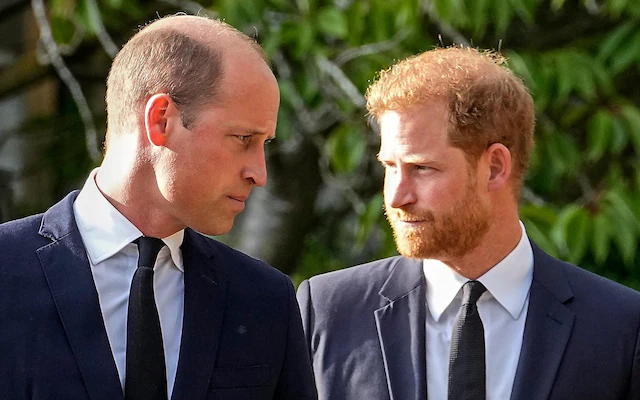
Public sentiment in the UK is also a significant factor, with the interview demonstrating a perceived disconnect. Observers note Harry showed “no real understanding anymore… of how the British people, who after all he’s asking to pay the bill for his security, feel about him.” This gulf complicates any potential return.
The financial and emotional cost of the protracted legal battle, which experts claim he was never likely to win, is now seen as a profound strategic error. The insistence on alleging “stitch-ups” rather than accepting the judgment is viewed as a stubborn refusal to move forward, poisoning the well for dialogue.
At its heart, the crisis is one of basic accountability. “He should have said, ‘Sorry, papa. So sorry. Please let me come and see you,’” the source lamented. That simple, private act of contrition is framed as the only viable key to unlocking the current impasse, yet it remains elusive.
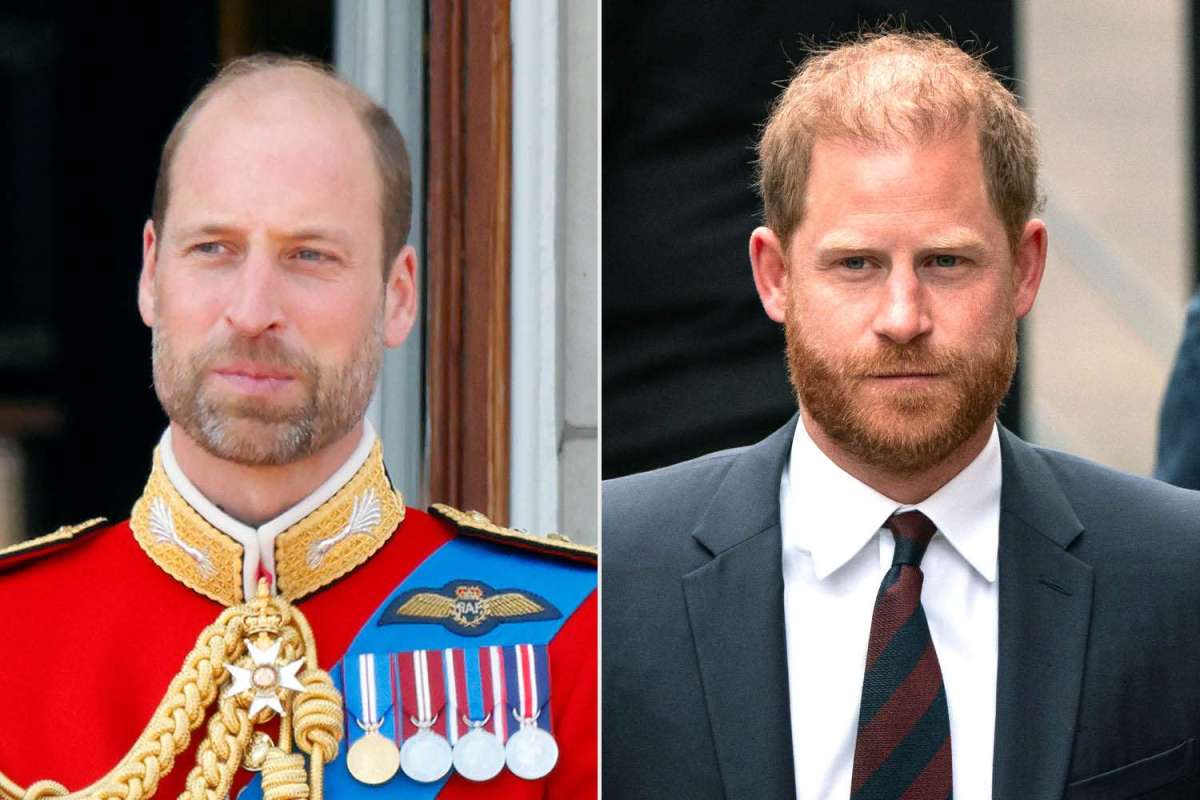
The ball is firmly placed in Harry’s court. The family’s position, as described, is one of exhausted resignation awaiting a clear signal. “I do believe in the prodigal son… you can say I’m sorry and repent and promise not to do it again. And I’m sure the king and William will say okay let’s give it another try. But he’s got to trust him.”
For now, the silence between the households is deafening, punctuated only by public statements that deepen the divide. The King, committed to his duties amidst illness, and the Prince of Wales, protecting his own family and the monarchy’s stability, appear to have reached a firm boundary.
The window for reconciliation, while not permanently shut, is narrowing. It demands a unilateral ceasefire in the media war and a demonstrable change in approach from the Sussexes. Without it, the current frost is likely to harden into a permanent estrangement, a tragic coda to a once-inseparable brotherhood.
The enduring image is one of a sick father, a betrayed brother, and a prodigal son who remains, for now, unwilling or unable to take the single step back that could begin a long journey home. The monarchy, an institution built on duty and discretion, waits for a sign of humility it has yet to see.