A veteran royal correspondent has delivered a blistering firsthand account of a patronizing and rude encounter with Prince Harry in Malawi, revealing the Duke of Sussex’s team was left “livid” by the incident that preceded a major legal declaration against the British press. The journalist, who had previously enjoyed a good rapport with Harry, described the moment as a pivotal breakdown in relations that foreshadowed the royal’s dramatic withdrawal from frontline duties.
 The incident occurred during the 2019 southern Africa tour, a trip viewed as critical for the Sussexes following negative headlines. After successful visits to Angola and South Africa, the atmosphere shifted in Malawi. The correspondent, needing a final piece for a weekly special, attempted a routine doorstep question as Harry walked past.
“I just sort of said, ‘Oh, why is it so important for you to come here? Big journalism here,’” the journalist recounted. The Duke’s dismissive response was to direct the reporter to speak to other people. When the journalist pressed, asking if that was the reason for his visit, Harry turned and said, “Rion, don’t behave like that,” before getting into his car and driving away.
“He looked really patronizing. Nobody came out of it looking good,” the correspondent stated, admitting to feeling like an idiot. The fallout was immediate and severe within Harry’s camp. “It all blew up with his team. They were livid.” The significance of the clash became clear upon the group’s return to Johannesburg later that day.
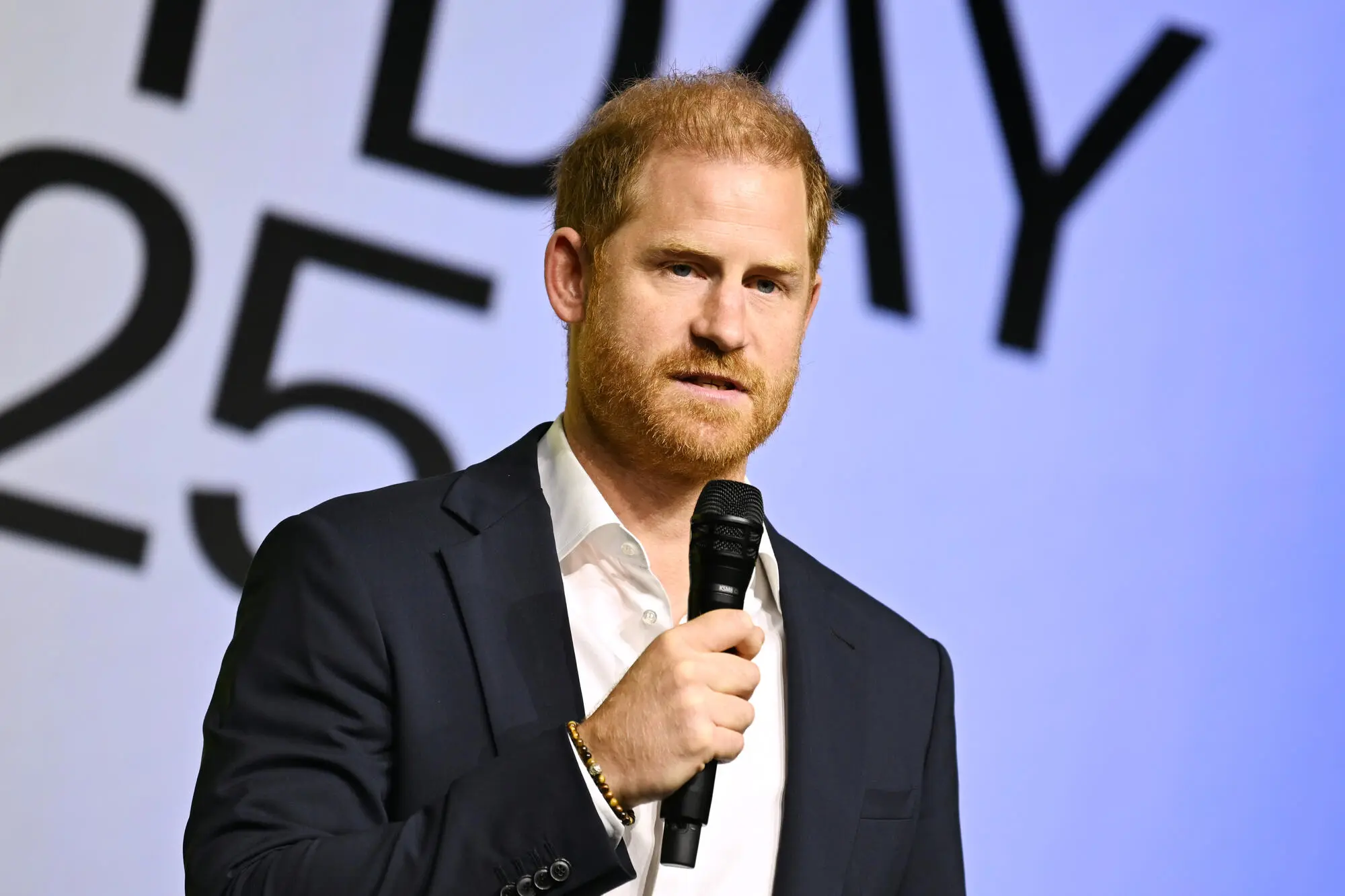
That evening, the now-infamous 10-paragraph letter from the Sussexes’ lawyers was delivered. It accused the Royal Press pack of “everything under the sun” and announced the intention to sue the Mail on Sunday. “Immediately I just realized I’d frankly kicked the bear and I just didn’t realize it at the time,” the journalist reflected, linking the personal confrontation directly to the legal nuclear option.
This portrayal contrasts sharply with the journalist’s earlier experiences with a “really helpful” Prince Harry, who would actively guide media toward compelling stories. The account suggests a prince whose demeanor had hardened under pressure, with the reporter noting Harry had been “really chippy” on a prior trip after being questioned about his decision to leave the army.
The commentary extends beyond the single incident to a bleak assessment of Harry’s current trajectory. “I think that this is now… he’s no longer the young fun 25-year-old prince,” the correspondent said, warning he risks becoming a “middle-aged boring prince” overshadowed by the younger generation of royals. The analysis points to a looming problem for Harry and Meghan as public attention shifts firmly to Prince George, Princess Charlotte, and Prince Louis.
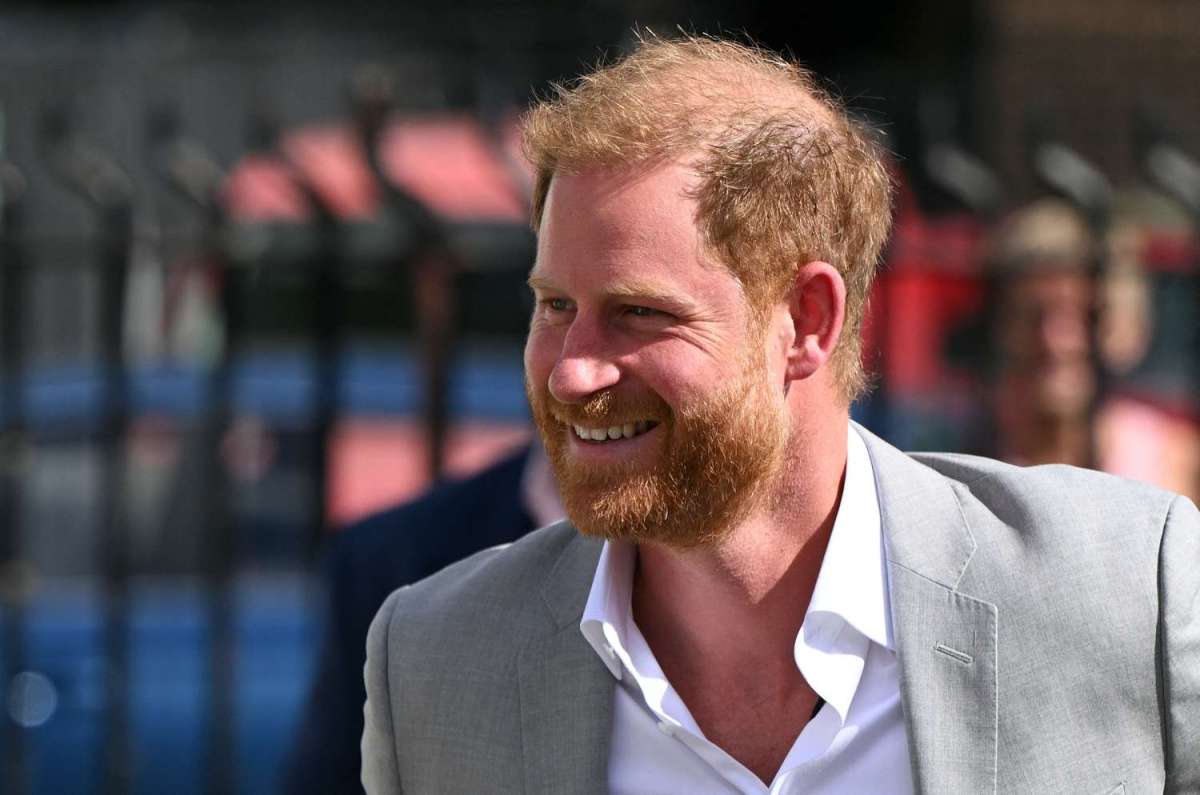
Amidst the criticism, a nuanced hope for reconciliation was expressed, though not without conditions. “I’d like to see the father and son only for that because I believe the king deserves a bit of respect,” the journalist stated, alleging Prince Charles has been “completely disrespected” by his son in recent years. Any reconciliation would require apologies and a genuine change in attitude, not a simple forgetting of past grievances.
This frank assessment emerges as the royal family’s future is increasingly embodied by a growing Prince George, who turned twelve this week. The young prince is being gradually and carefully maneuvered into significant public moments, from VE Day commemorations to appearances at Wimbledon, under the protective but guiding hands of the Prince and Princess of Wales.
 An eyewitness account from a Buckingham Palace veterans’ tea party revealed George’s early training for his future role. Surrounded by senior royals in a secure environment, George was given measured independence to converse with veterans about topics like war and tanks, displaying a seriousness that reminds observers of his father. His parents were seen fostering his confidence while shielding him from overwhelming pressure.
The choice of his next school, whether Eton like his father or Marlborough College like his mother, remains a closely watched decision. With five years having passed since the Sussexes’ departure, and with George set to be seventeen in another five, his journey to adulthood is accelerating rapidly. His experiences, including frontline roles at Queen Elizabeth II’s funeral and the King’s coronation, are formative.
The Malawi confrontation, therefore, stands as a symbolic rupture. It captures the exact moment a formerly cooperative relationship between prince and press shattered, triggering a chain of events that led to litigation and a permanent transatlantic divide. It underscores the profound personal and institutional shifts that continue to redefine the modern monarchy, even as its long-term future quietly matures in the form of a thoughtful young heir.