A seismic shift within the British monarchy is underway, with Prince Harry and Meghan Markle facing a stark future of diminishing relevance and financial pressure, according to a searing analysis by royal commentators. The core of the royal brand and public attention is now irrevocably pivoting toward the younger generation of Prince George, Princess Charlotte, and Prince Louis, leaving the Sussexes on the periphery.
 The blunt assessment, drawn from a televised panel discussion, posits that without their formal royal connections, the couple’s ability to monetize their status will precipitously decline. “They’re going to be really so far removed from the main game that they’re not going to be able to get as much money out of being royals,” one commentator stated, highlighting a pressing need to solidify their independent brand.
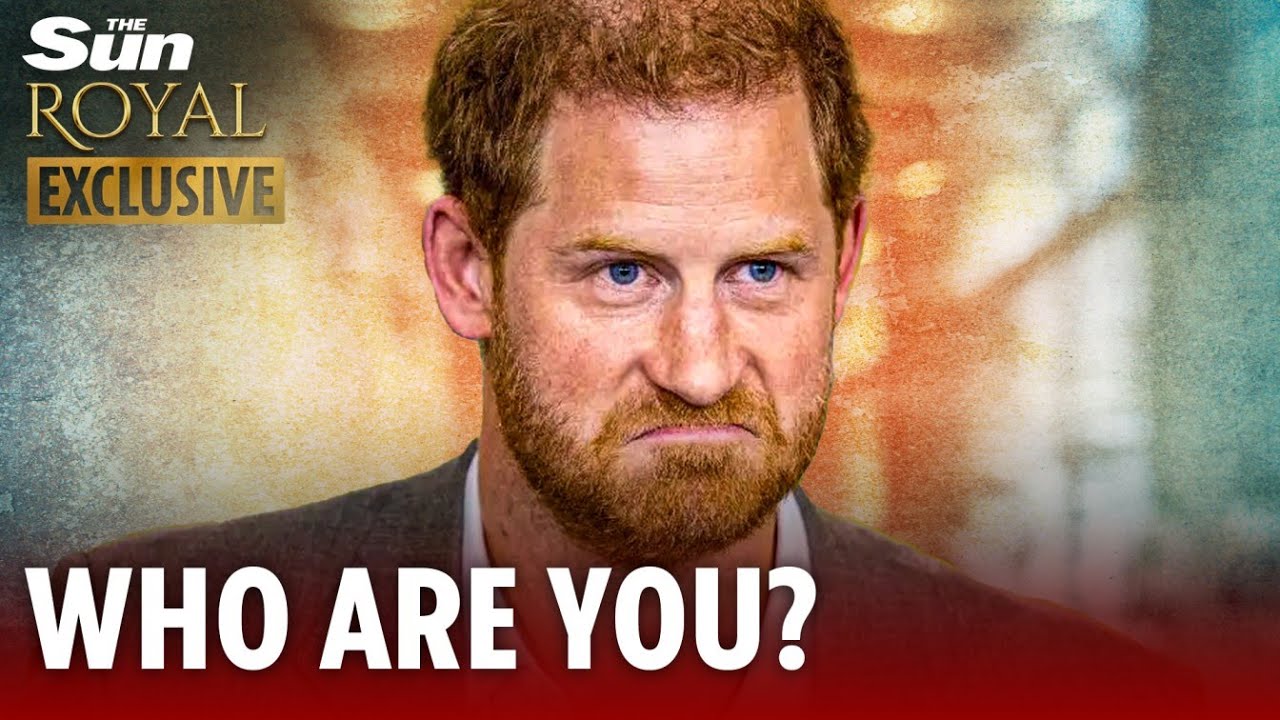
This sentiment echoes reported fears from Prince Harry himself. It is recalled that journalist Valentine Low wrote of Harry’s anxiety about becoming “irrelevant into his 50s.” The panel offered a brutally vivid prediction of that future, describing him as destined to be “a bald 50-year-old prince… a gentleman formerly known as prince,” whose appeal to younger generations will have evaporated. “They’ll be thinking, who is this guy?” the commentator added.
In response, observers note the Sussexes are attempting a strategic pivot toward positivity after years of narratives centered on their grievances. American journalists reportedly point to a public appetite for a “boy or girl done good” story, with Meghan’s recent social media presence seen as part of this recalibration. “I’m going to be more upbeat, I’m going to be positive,” one analyst summarized of their new approach.
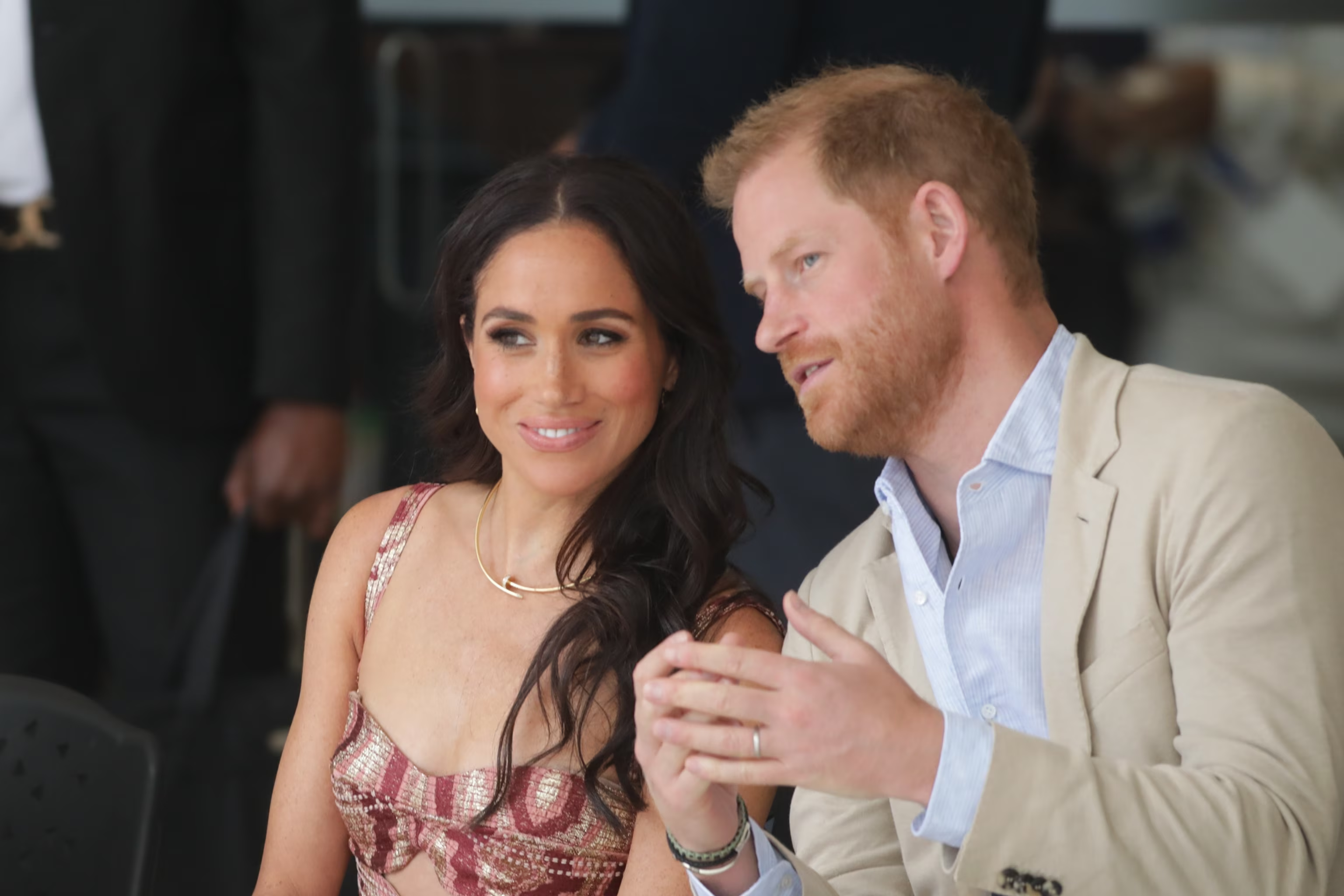
However, the couple’s long-term strategy appears to be firmly anchored in their children. The panel highlighted their branding around Archie and Lilibet as a key future asset. “They know that those two will be… something that they will be able to monetize,” a commentator noted, while criticizing the couple’s commercial pursuits. The discussion repeatedly returned to the central accusation that for the Sussexes, “It’s all about the money.”
This financial dimension is also linked to the fragile prospect of reconciliation with King Charles III. With the King’s advanced age, the distribution of the royal estate is a looming reality. “There’s a lot of money to be distributed and I’m sure that’s a conversation that needs to be had,” one panelist suggested, implying this may be a significant, unspoken factor in recent diplomatic overtures.
The most explosive public sentiment, however, concerns their royal titles. Citing a poll indicating 91% of respondents believe the King should strip the Duke and Duchess of Sussex of their titles, the panel largely agreed. The argument centers on a perceived breach of contract. Titles were bestowed in anticipation of a lifetime of service, a duty the Sussexes abandoned after a relatively short period.
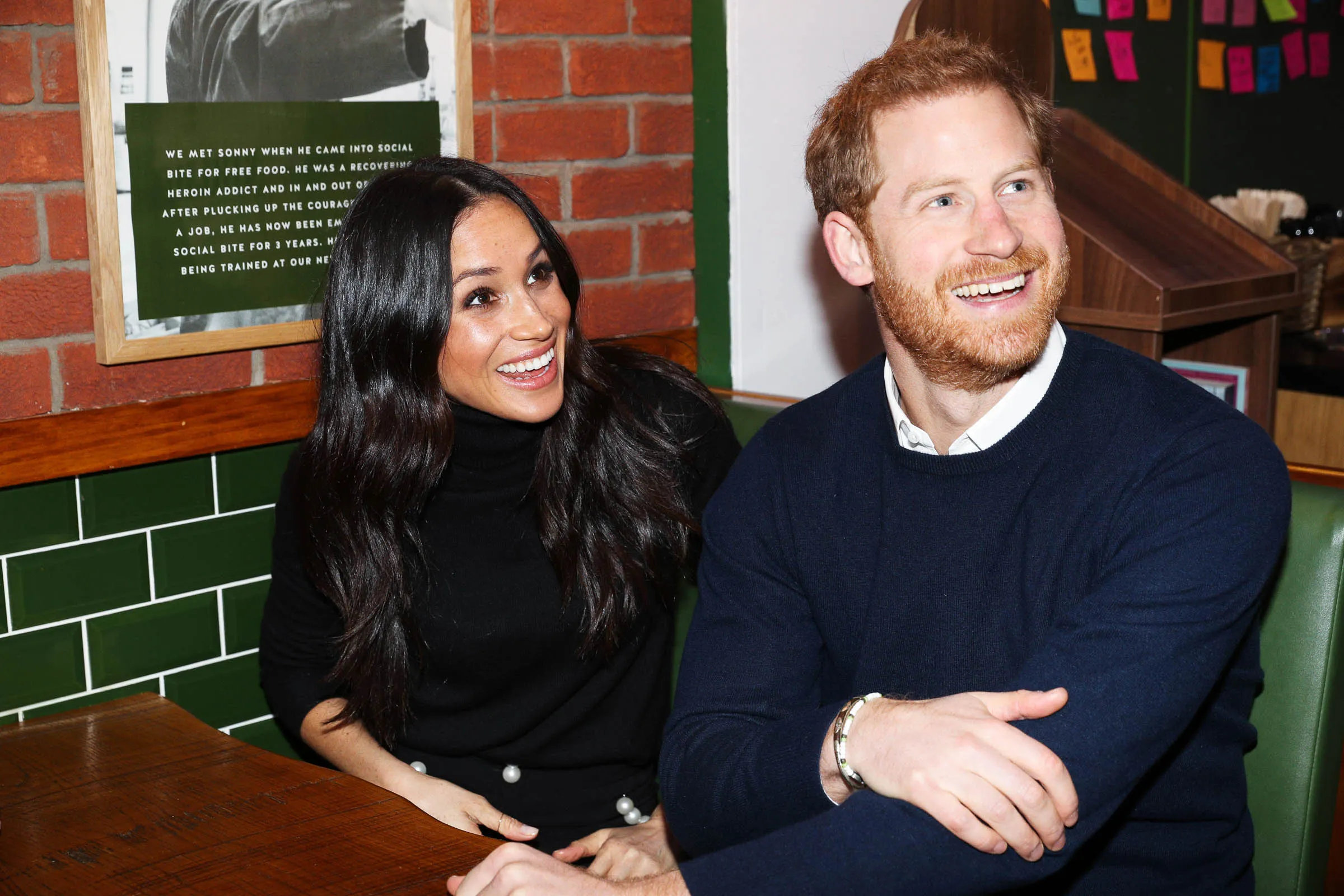
“They trashed the institution. So why do they need the titles?” one commentator argued forcefully, comparing their brief service unfavorably to lifelong duty performed by royals like the Duke of Kent. The late Queen Elizabeth II’s staunch views on the respect owed to titles were also invoked, with speculation about how she might have handled the situation were she still reigning.
Legally, the panel conceded the couple may not have overstepped with their commercial deals, but the count of public opinion is deemed critical. The overwhelming 91% figure is interpreted as a public feeling of deep disrespect. “That was given to you by the late queen in anticipation of service and you didn’t finish the service,” was the prevailing view, suggesting the monarchy must listen to this outcry.
 This public relations battle is seen as directly influencing Sussex strategy. Their new PR team and Harry’s recent visits to the UK are interpreted as a “flag-waving exercise” to signal reconciliation is possible and rehabilitate their image. The stakes are high, as their commercial viability is perceived to be inextricably linked to their continued, albeit strained, connection to the institution.
Further complicating any return to public duties is a climate of mutual distrust. While Harry received warm receptions at events like the Invictus Games anniversary, a fundamental barrier remains. Royal correspondents argue the Sussex communications team’s refusal to engage with the media creates an information vacuum, making balanced reporting impossible and often leaving negative narratives to flourish unchallenged.
The overarching conclusion, however, is that the royal show has decisively moved on. The vibrant, positive global “vibe” that once surrounded Prince Harry during tours a decade ago is gone, replaced by a more complicated and often cynical public perception. The panel drew a telling parallel to another fractured royal relationship, stating the couple now exists in a space similar to “an Andrew and Fergie post-separation,” permanently associated with scandal and relegated from the core family narrative.
This leaves the Sussexes at a historic crossroads. Their efforts to build a lucrative, positive global brand are running concurrent with a powerful British public sentiment that they should be stripped of the very titles that underpin their fame. With the King’s reign advancing and the Wales family captivating the world’s attention, the window for the Sussexes to redefine their legacy is narrowing rapidly. Their future, as one commentator starkly put it, is as “bit part players” in a story that no longer revolves around them.