A new and urgent analysis of the Sussexes’ recent diplomatic overtures to the Royal Family suggests a deeply flawed strategy born of desperation and public relations recalculation, with insiders warning the plan is fundamentally confused and destined to fail. The sudden flurry of reported “peace talks” and shared diary consultations between Prince Harry and King Charles III’s offices follows a year of strained silence and is directly attributed to a complete overhaul of the couple’s communications team on both sides of the Atlantic.
 Sources close to the situation indicate the new PR personnel arrived with “new energy and a real determination to move the dial” in public perception, media coverage, and crucially, the relationship with the Palace. This push comes after what observers describe as a catastrophic misstep by Harry during a BBC interview following his legal defeat in a security case, where he launched unexpected swipes at his father mid-plea for reconciliation.
That moment, characterized as a “restraint collapse,” is believed to have severely damaged any lingering chance of a truce. The current initiative, therefore, is seen as a corrective campaign spearheaded by this fresh advisory team. However, the underlying motive appears starkly personal and driven by a looming fear of time running out.
“The reason is fundamentally because Harry had a clear out and Meghan had a clear out of their PR team,” stated a commentator familiar with royal dynamics. “But I think he’s trying to get reconciliation before the king goes.” This urgency references Harry’s own emotionally charged comment about his father’s mortality during the same BBC interview, framing the recent maneuvers as a race against the clock.
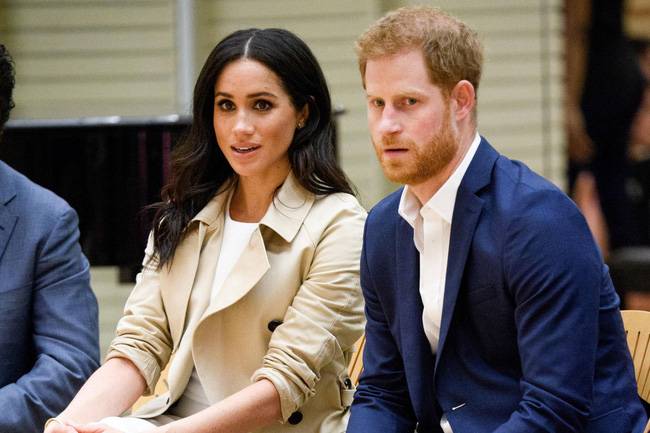
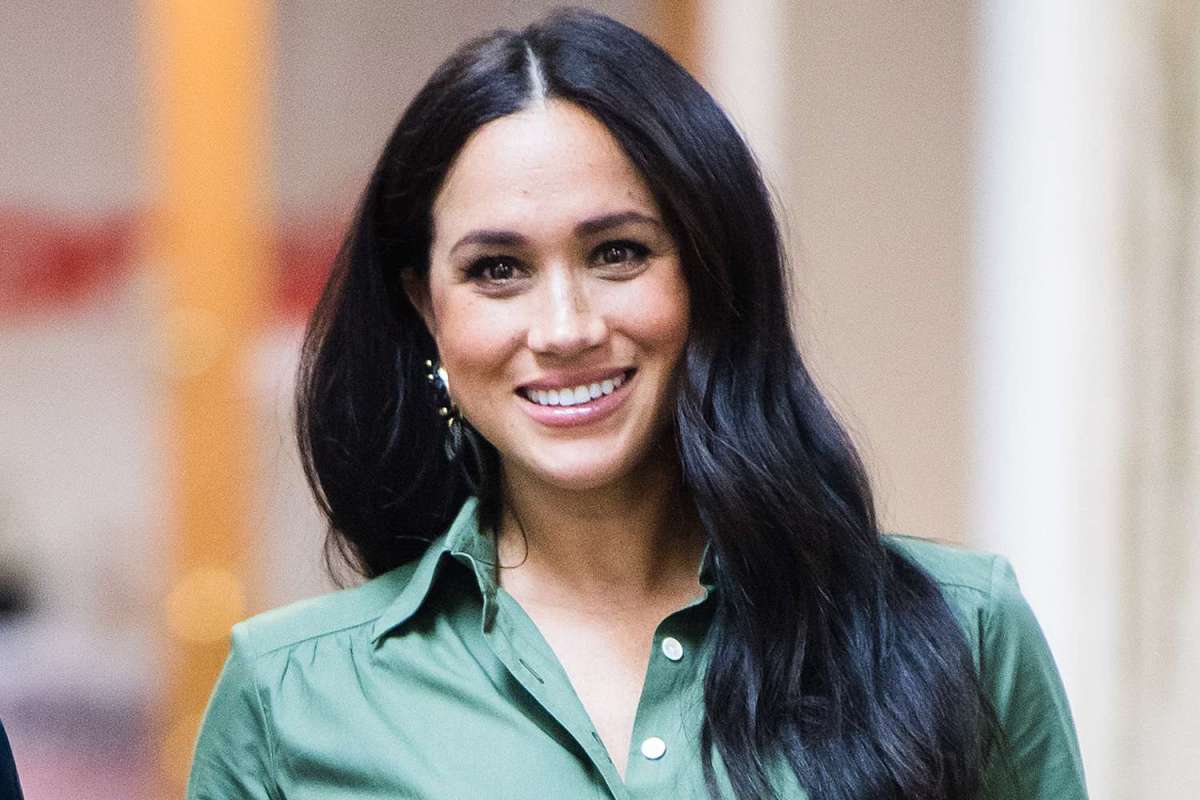
Yet, the strategy is being panned as incoherent and untenable, a direct contradiction of the late Queen Elizabeth II’s firm principle that one cannot be “half in, half out” of the monarchy. Critics deride the Sussexes’ approach as attempting a “hybrid situation,” with one source bluntly labeling them “typical millennial royals who want to do like gig economy jobs in the royal family or something.”
The entire endeavor is described as a “very confused, dilapidated thing” that insiders do not see “going anywhere.” This confusion is compounded by the persistent shadow of past conflicts, particularly the unresolved and potentially explosive bullying allegations made against Meghan during her time as a working royal at Kensington Palace.
Those allegations, investigated by the Palace in a report that remains confidential, represent a significant un-detonated bomb in the ongoing saga. Notably, the claims were not addressed during the couple’s tell-all interview with Oprah Winfrey, a omission that has since been viewed as deeply undermining to their narrative of victimhood.
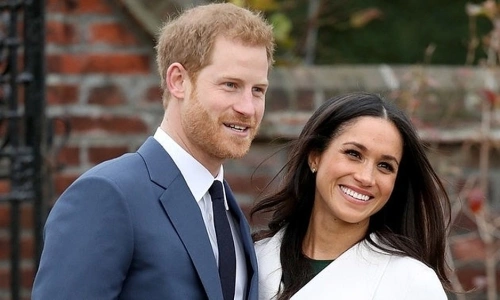
“The fact that they didn’t say it to Oprah ultimately was what was so undermining,” an analyst noted, pointing out that Harry’s claim his family welcomed Meghan before turning on her out of jealousy clashes with the known timeline of internal staff complaints. The Palace’s decision to withhold the bullying report is now interpreted by some not as protection for the institution, but as a shield for Meghan.
Further complicating the reconciliation narrative is the resurfacing of claims from biographer Valentine Low, who alleged Meghan deliberately left a “trail of evidence” during her royal tenure to substantiate future claims of a lack of support. While described by some as a rational act of self-preservation, it feeds into a perception of a long-planned, adversarial exit strategy.
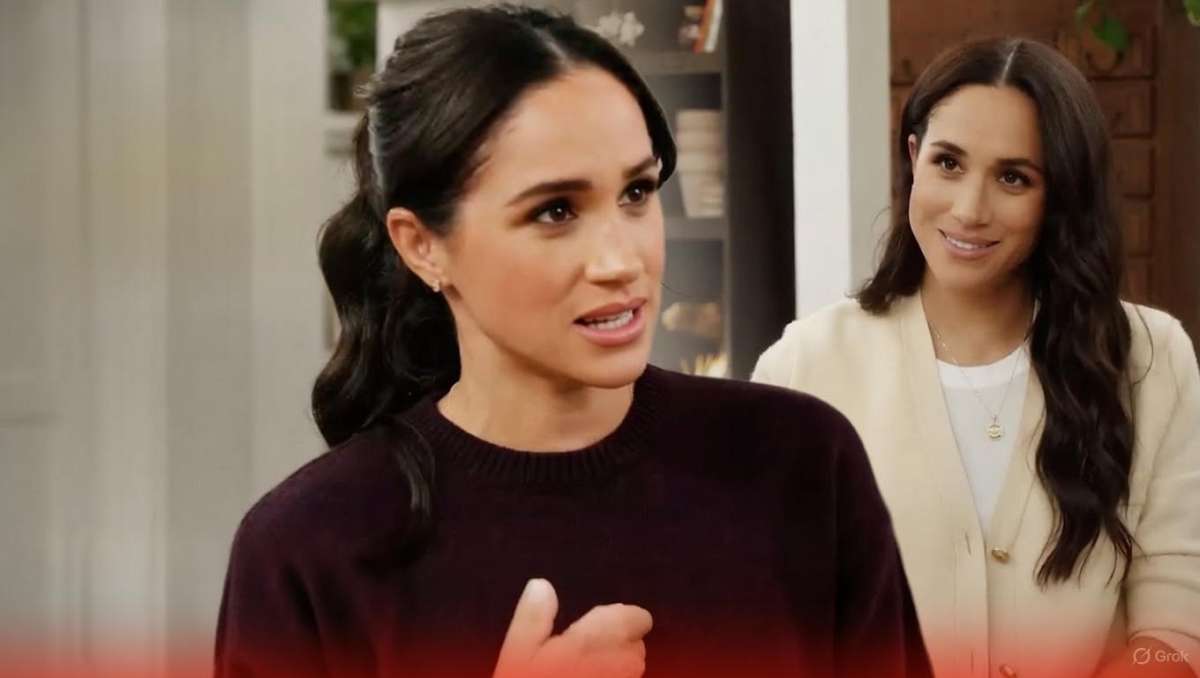 This notion of “receipts” and veiled threats has been a constant undercurrent, with friends of the couple previously alluding to proof in their possession. However, the relentless public attacks on the Royal Family, conducted while the institution remained largely silent, has fundamentally shifted sympathy.
Analysts now believe that even if the Sussexes possess unused, damaging material, its strategic value has evaporated. “They’re so uniformly viewed as the villains, particularly in Britain… even in America, they’re not viewed in this protective way anymore,” one observer stated. The couple is seen to have already monetized and deployed their primary grievances through lucrative deals with Netflix, Spotify, and in Harry’s memoir, “Spare.”
The current peace offensive, therefore, is viewed with profound skepticism. It is seen less as a genuine olive branch and more as a tactical repositioning by a new PR team attempting to salvage reputations and engineer a last-chance reconciliation, all while navigating the irreconcilable conflict between the Sussexes’ commercial independence and traditional royal duty.
The fundamental contradiction at the heart of their approach—seeking the privileges of association without the constraints of service—leads most observers to a grim prognosis. Without a clear, consistent, and mutually acceptable vision for their future role, these latest talks are widely predicted to collapse under the weight of their own internal confusion, leaving the deep rift between Harry and his family as unbridgeable as ever. The king’s diary may be shared, but the chasm in trust and purpose remains.