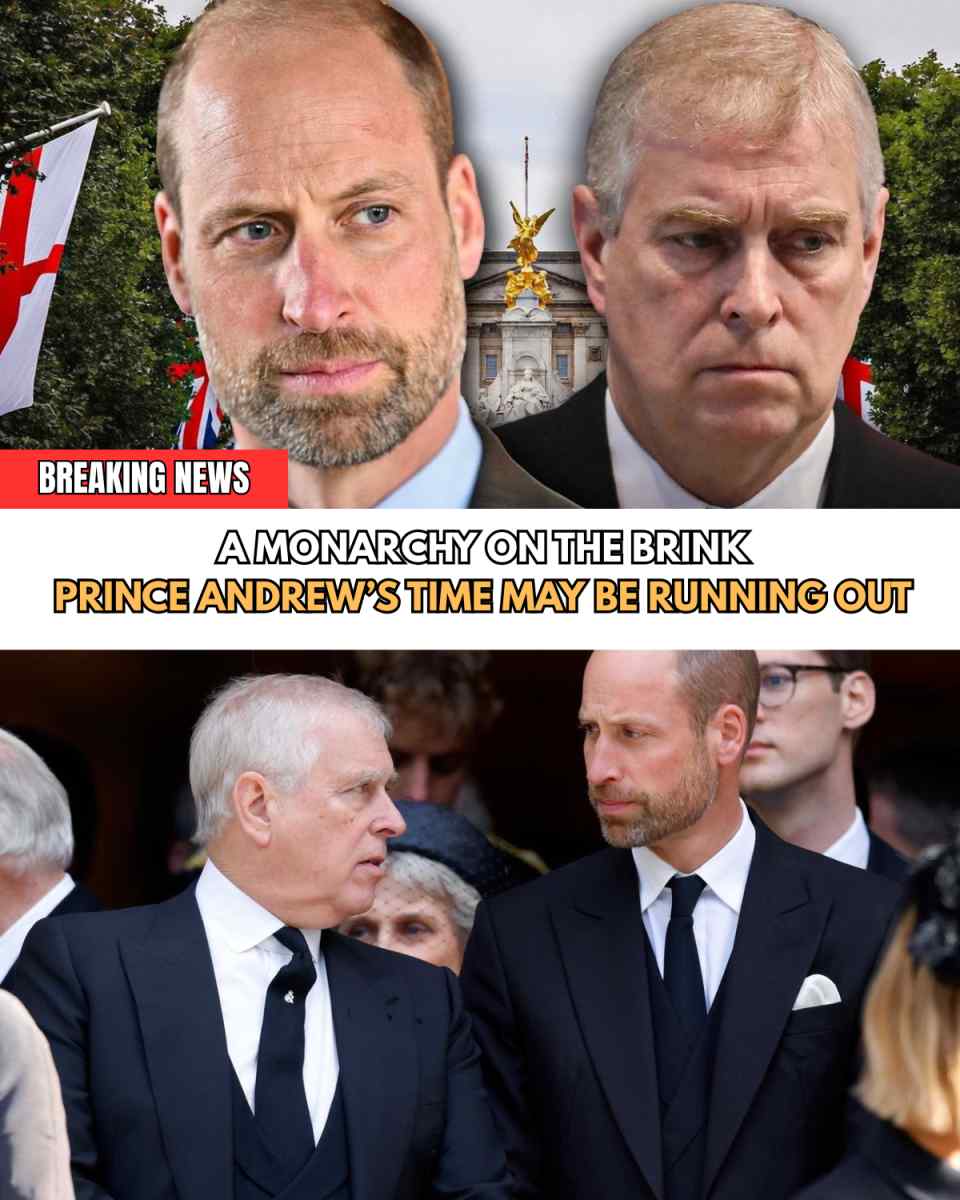
A constitutional crisis is brewing within the British monarchy as pressure mounts on King Charles III to decisively address the scandal surrounding his brother, Prince Andrew. Whitehall and Westminster are now openly discussing the need for the next in line, Prince William, to intervene, signaling a potential fracture in the traditional royal hierarchy and a loss of the King’s control over the spiraling situation.
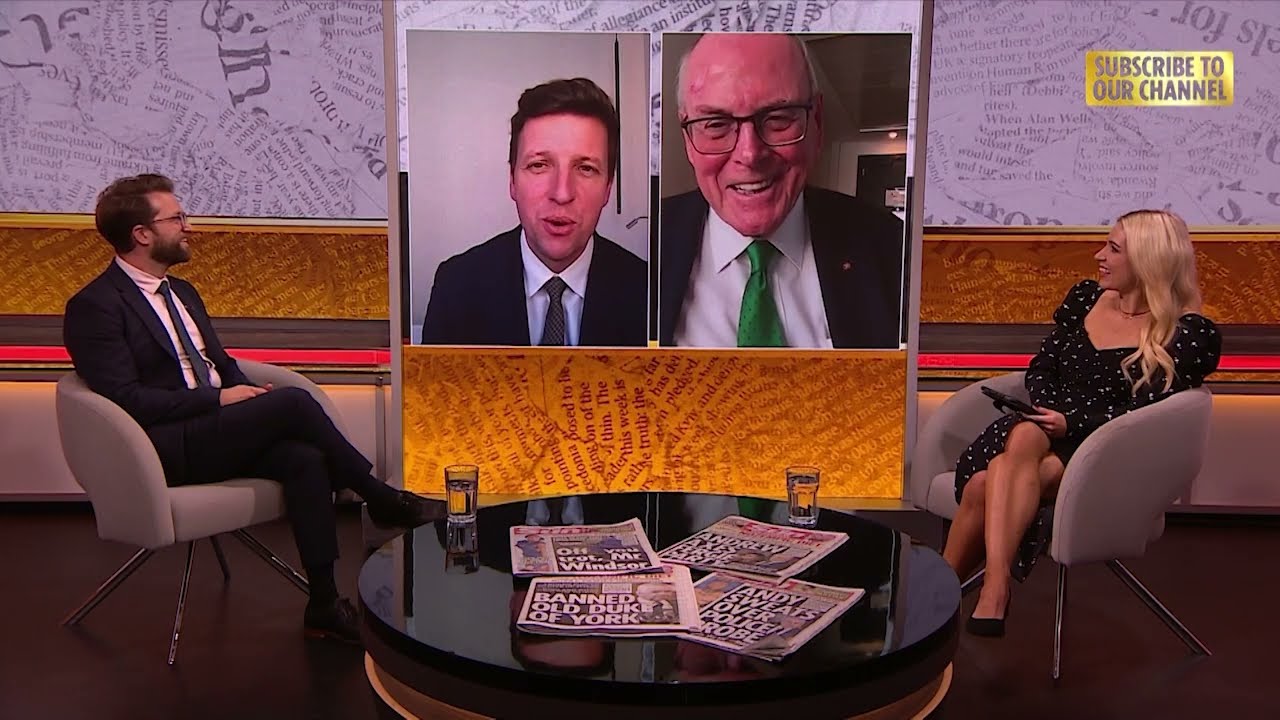
 Sources within the UK government are increasingly looking toward the Prince of Wales as the figure capable of resolving a scandal now “infecting” the political sphere. The Newsnight political editor reported this week that Whitehall insiders are stating, “Don’t worry, William’s on the case,” a remarkable constitutional development given the reigning monarch is King Charles. This sentiment underscores the immense pressure on the government to act, with cabinet ministers briefing off-record that the palace has been “too slow.”
The political atmosphere in Britain is now described as “just as febrile” as the public mood regarding Prince Andrew. The Duke of York’s association with convicted sex offenders Jeffrey Epstein and Ghislaine Maxwell has escalated into a direct challenge for the government. During Prime Minister’s Questions, Liberal Democrat leader Sir Ed Davey called for a select committee inquiry into Royal Lodge and Andrew’s finances, explicitly asking if the prince should be compelled to give evidence.
While Prime Minister Rishi Sunak’s response was vague, his acknowledgment of the inquiry’s potential has thrust the monarchy into uncharted constitutional territory. The prospect of a royal family member being summoned to testify before a parliamentary inquiry over a personal scandal is unprecedented. Analysts note that if the issue leaves the palace’s control and enters the political or judicial arenas, the King faces profound trouble.
This crisis intensifies with the posthumous release of a memoir by Virginia Giuffre, who alleged she was trafficked to Prince Andrew by Epstein. The book provides excruciating detail, including claims Andrew was “entitled” and believed sex with her was his “birthright.” While Andrew has consistently denied all allegations, the public narrative is now framed by Giuffre’s full, harrowing account of abuse, making his past denials and the infamous 2019 BBC interview appear even more damaging.
Royal commentators believe Andrew will not attempt another public defense, as his previous efforts “went horribly wrong.” The renewed focus comes after Andrew’s statement last week, in which he “voluntarily” gave up the use of his Duke of York title and military affiliations following tense meetings with the King. However, experts argue this move failed to quell the storm, as its framing was “all wrong for the moment.”
The statement emphasized Andrew’s desire to avoid distracting from the monarchy’s work and cited his lifetime of duty—a narrative that starkly contradicts public perception. What was absent, critics say, was any contrition or acknowledgment that his association with Epstein was morally reprehensible. The palace’s action, while likely timed ahead of Giuffre’s book release, is now seen as a purely symbolic gesture that has done little to address the core allegations or public outrage.
Behind the scenes, sources insist King Charles and Prince William are “in complete agreement” on how to handle Andrew, presenting a united front. Yet, the very discussion of William taking a tougher stance, while his father is monarch, reveals the severe strain the institution is under. The scandal is no longer contained as a private family matter; it is a political and constitutional issue “arriving on the doorstep of Downing Street.”
The enduring question of why Epstein and Maxwell facilitated meetings between Giuffre and Andrew now hangs heavier than ever. With Maxwell serving a 20-year sentence and Epstein’s crimes established, Andrew’s continued denials, without explaining the context of those relationships, are viewed as increasingly untenable. The release of emails showing contact between Andrew, Epstein, and Sarah Ferguson further undermines his position.
As the monarchy navigates this perilous phase, the focus shifts irrevocably to the future. The consensus among observers is stark: when Prince William ascends the throne, it will be “over for Andrew.” The current crisis suggests that moment of reckoning may be forced long before the succession, as government and public demand accountability the palace has so far failed to deliver. The monarchy’s ability to control its own narrative is slipping, with potentially historic consequences for the institution.