In a chilling twist to one of the most haunting missing child cases in recent history, renewed scrutiny has emerged over Madeleine McCann’s disappearance, focusing on the controversial theory that her parents, Kate and Gerry McCann, could be implicated. This explosive revisiting unravels conflicting investigations, evidence controversies, and decades-long suspicions that continue to divide public opinion worldwide.

On the evening of May 3, 2007, three-year-old Madeleine vanished from her family’s holiday apartment at the Ocean Club Resort in Praia da Luz, Portugal. Her parents claimed she was kidnapped while they dined nearby, sparking an international manhunt that captivated and horrified the world.
Despite exhaustive searches and media blitzes, Madeleine’s whereabouts remain unknown. However, beneath the official narrative lies a divisive theory suggesting that Madeleine’s death occurred inside the apartment—an accident covered up by her parents—and the abduction story was fabricated to mask the truth.
Portuguese detective Gonzalo Amaral, who led the initial investigation, was one of the first to publicly voice suspicions against the McCanns. His findings cited inconsistent statements, a chaotic crime scene compromised by early interference, and alarming forensic indications from specially trained cadaver dogs signaling the presence of human remains both in the apartment and in the McCanns’ hired vehicle.
The canines’ alerts ignited a firestorm; one dog detected decomposing human scent behind the living room sofa and inside the wardrobe, while another indicated blood traces in the same areas and confirmed blood in the car boot. These compelling but circumstantial leads painted a grim picture denied by the McCanns and contested by British authorities demanding DNA confirmation, which the investigation could not conclusively deliver due to contamination and sample degradation.
Amaral’s suspicions led to Kate and Gerry being named formal suspects—“arguidos”—under Portuguese law in September 2007. Yet, just weeks later, Amaral was removed from the case amid accusations of breaching protocol and conflicts with British police, a move that critics label as politically motivated, further entangling the investigation in controversy.

Despite strong suspicions, the absence of irrefutable evidence stalled the prosecution. By mid-2008, the Portuguese Attorney General shelved the investigation, citing insufficient proof for charges such as child neglect, homicide, or concealment of a corpse. The McCanns and another suspect, Robert Murat, were cleared of formal suspicion, though the shadow of doubt lingered.
Forensic ambiguity persisted. DNA analyses from samples tied to the apartment yielded only partial, mixed profiles, insufficient for prosecution. This stark contrast between powerful investigative leads and the lack of definitive proof continues to stymie closure in this labyrinthine case.
Public debate was further fueled by independent investigators and commentators. Richard Hall, a UK filmmaker, dissected the McCanns’ interviews and alleged staging of the crime scene, highlighting discrepancies such as undamaged shutters, the dramatic opening of curtains, and conflicting timelines suggesting a potential cover-up rather than an abduction.
Hall’s collaboration with Peter Hyatt, a statement analyst, proposed the existence of “embedded confessions” within the parents’ own words. They argued subtle linguistic cues and distancing language hinted at concealed guilt, a theory contested by experts citing stress and cultural factors as alternative explanations.
Meanwhile, American criminal profiler Pat Brown published a contentious book accusing the McCanns of orchestrating a fabricated abduction after Madeleine’s accidental death. Her views, though influential among certain circles, are undercut by her self-branded, non-accredited profiling background and the legal battles her claims ignited.
The case attracted further scrutiny from body language analysts like Darren Stanton and Burnt Stellander, who highlighted purported nonverbal signals of deception and inconsistency in the McCanns’ media appearances. Yet, contrasting assessments by credible behavioral panels with interrogation experience found no definitive signs of guilt, underscoring the difficulty in interpreting grief under public pressure.
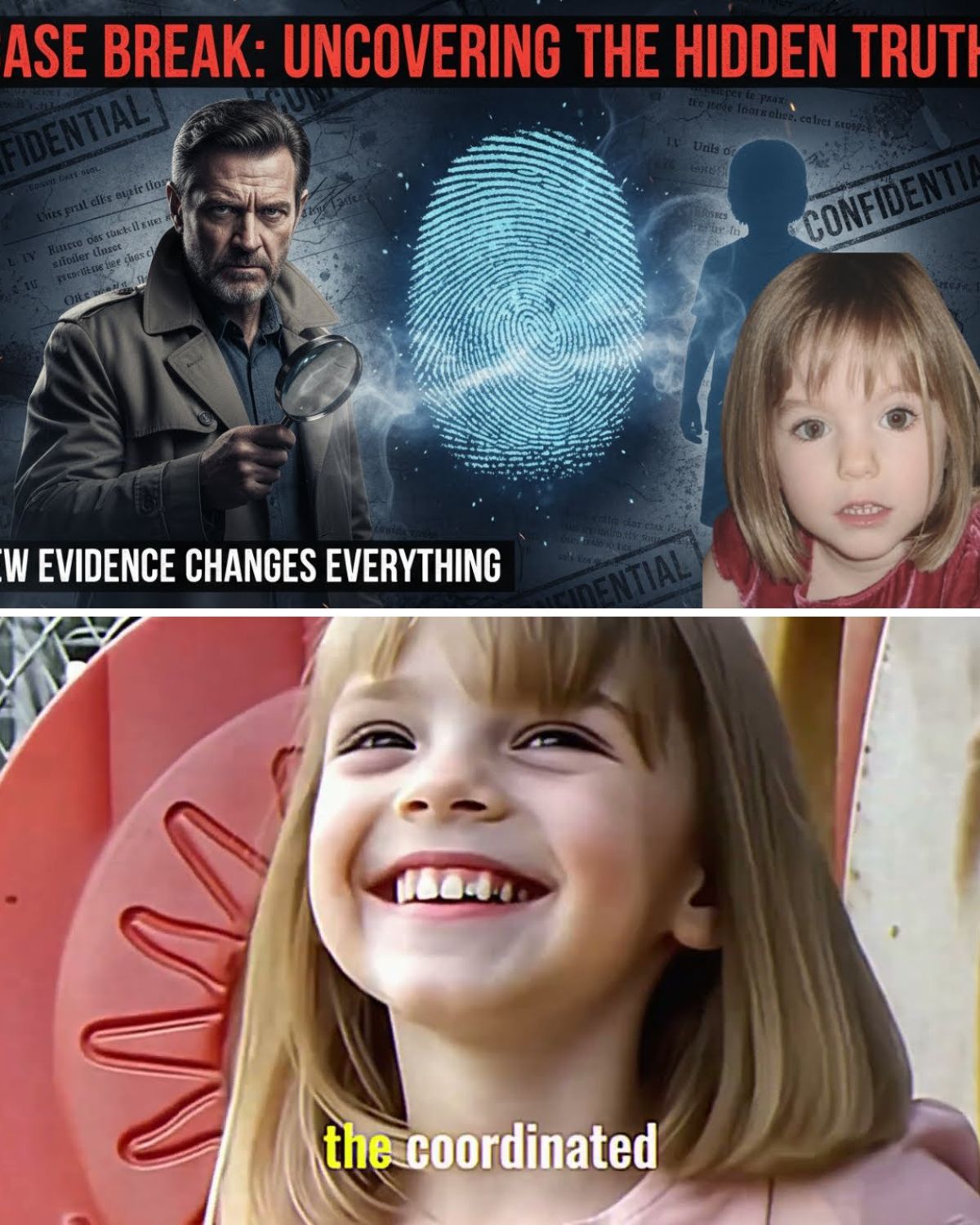
Complicating matters is the release of a German suspect previously detained under suspicion, illustrating the faltering leads and a dwindling scope for new forensic breakthroughs. Current investigations appear to be cycling back to the McCanns, yet no new evidence has emerged to reignite formal charges.
This ongoing saga reveals a fractured narrative where public opinion brutally splits between viewing Kate and Gerry McCann as grieving parents or as parties potentially concealing devastating secrets. The layers of conflicting testimonies, forensic ambiguities, and media-fueled theories keep this tragedy unresolved.
As the McCanns continue to fight legal battles defending their innocence, the world watches a case mired in suspicion, unanswered questions, and an absence of closure. Forensic science, investigative missteps, and public scrutiny converge in an agonizing debate over justice and truth.
Renewed calls for transparency and reopening of evidence persist among advocates, yet official channels face immense challenges navigating the evidentiary void that has long stymied prosecution. Without fresh decisive evidence, the case remains frozen in an ambivalent stalemate.
This revisitation serves as a stark reminder of the complexity and agony that missing child cases entail—not just for families, but globally—where hope, grief, suspicion, and the pursuit of truth collide in a relentless struggle spanning decades.
The Madeleine McCann case remains one of the most labyrinthine and emotionally charged mysteries of modern times, with each new revelation or theory deepening the divide between innocence and culpability. The world holds its breath, awaiting answers that have so far eluded justice.