The Duke and Duchess of Sussex face renewed scrutiny and accusations of strategic confusion as their charitable organization undergoes another significant rebrand, a move critics are labeling a profound public relations misstep. This latest pivot comes amid financial disclosures showing their foundation deep in the red and persistent questions about the couple’s long-term direction and commercial viability.
 Meghan and Harry’s Archewell Foundation has now been formally renamed Archewell Philanthropies, a shift confirmed in recent regulatory filings. The change is described internally as a transition to a “fiscal sponsorship model,” meaning the organization will primarily grant funds to other charities rather than directly run its own programs. This structural overhaul follows a reported deficit of $2.5 million for the last fiscal year, the foundation’s highest expenditure to date.
Public relations experts are sounding the alarm, arguing the name change and constant strategic shifts damage brand recognition and public trust. “The most important thing about branding is you get a brand, you stick to it so it’s embedded in people’s psyche, not change it every two minutes,” said one commentator on a leading morning news program. The awkward phrasing of “Archewell Philanthropies” was also singled out as a practical failure, being criticized as a mouthful that does not roll off the tongue.
This rebrand is the latest in a series of identity shifts for the Sussexes’ ventures since their departure from royal duties. It follows the short-lived “Sussex Royal” brand, the launch of Archewell Audio and Archewell Productions, and Meghan’s recent relaunch of her lifestyle blog from American Riviera Orchard to the more cryptic “as ever.” This pattern fuels a growing narrative that the couple is struggling to find a coherent and sustainable niche outside the royal framework.
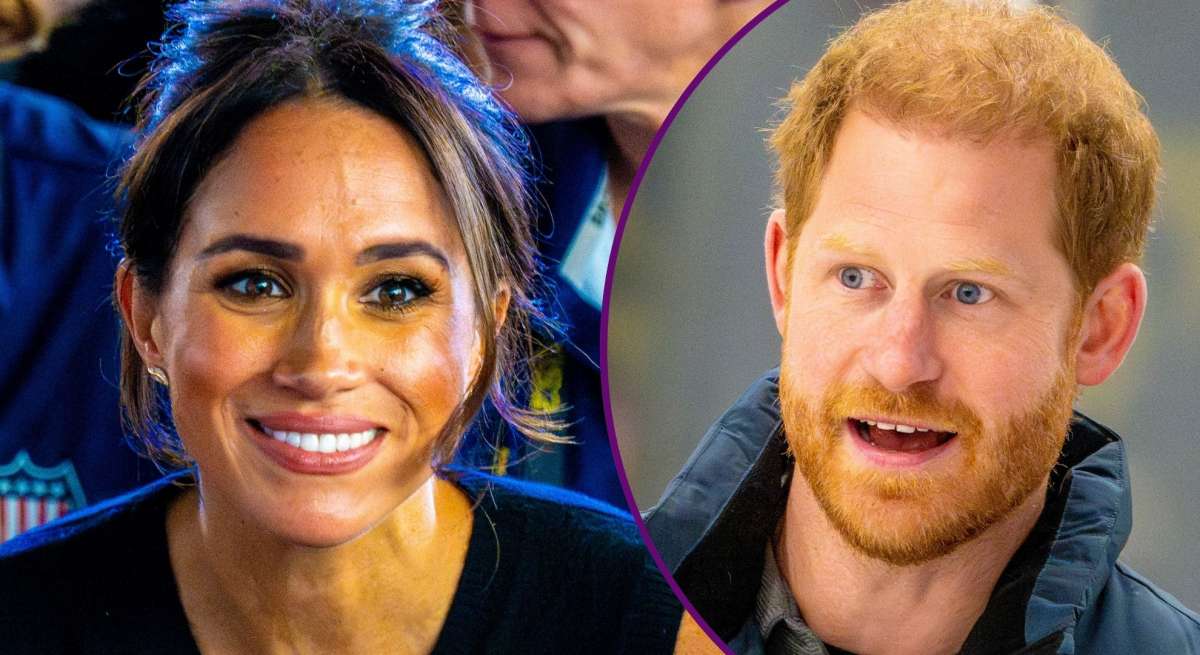
Financial pressures appear to be a significant driver. The foundation’s substantial deficit, while explained by Archewell as a “year of significant program investment” using previously raised reserves, raises eyebrows in philanthropic circles. The organization’s ability to attract future major donations is now in question, especially if its public identity remains in flux. “If the brand is constantly switching, I can see revenue dropping,” noted a media analyst.
The couple’s broader commercial endeavors also face uncertainty. Their lucrative multi-year deal with Netflix, while still active, is under intense speculation regarding its future output. Industry observers note the streaming giant will eventually demand content with broader appeal beyond the personal documentaries and niche series released so far. “There’s only so many polo documentaries and cake decoration documentaries,” stated a royal commentator, highlighting the expectation for more substantive, likely royal-adjacent programming.
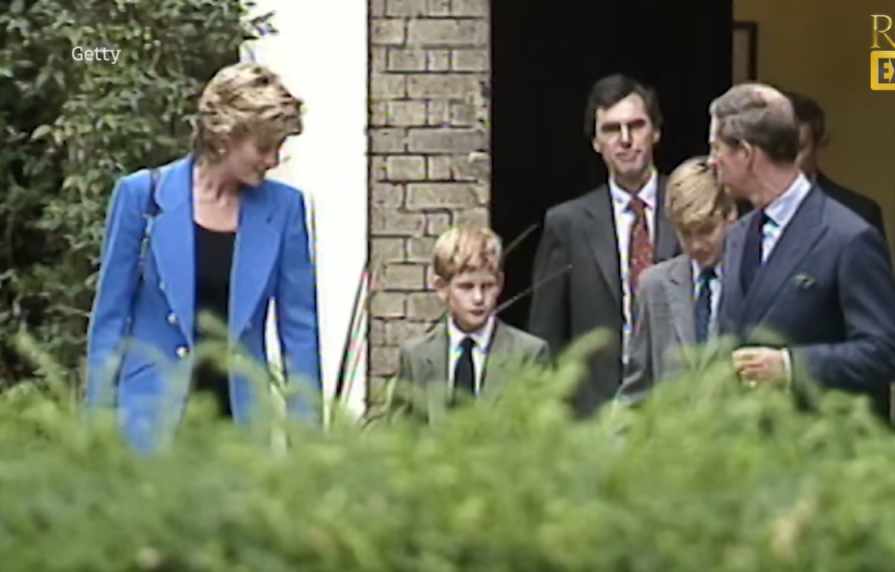
This pressure point leads directly to the sensitive subject of Princess Diana. Talks have reportedly occurred about a potential documentary project for the 30th anniversary of her death in 2027, a topic that would guarantee global interest but could reignite family tensions and contradict Harry’s past statements about moving on from discussing his mother’s legacy publicly. Such a project would represent the kind of content Netflix desperately wants from the deal.
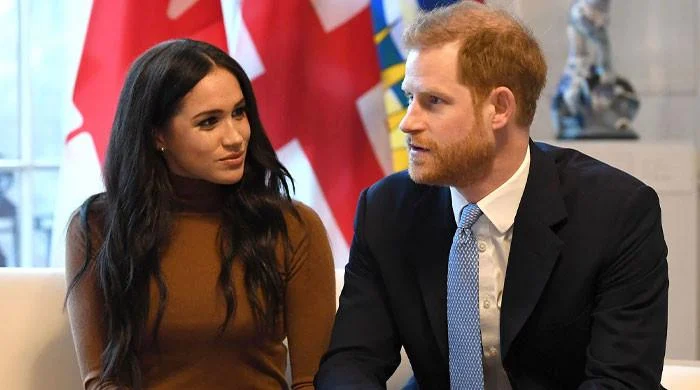
Meanwhile, Prince Harry’s professional focus remains fragmented. His time is consumed by ongoing legal battles against British newspaper groups, with another major court case scheduled in London in the coming weeks. While these lawsuits are a personal mission, they do not constitute a forward-looking career strategy or a defined philanthropic role, leaving his day-to-day purpose a subject of continued public debate.
The Sussexes attempted to project a united and successful front with a recent holiday video recapping their year, which included rare, brief glimpses of their children, Archie and Lilibet. However, even this sparked debate over their selective approach to privacy, with some criticizing the choice to obscure the children’s faces in their official Christmas card while featuring them in video content.
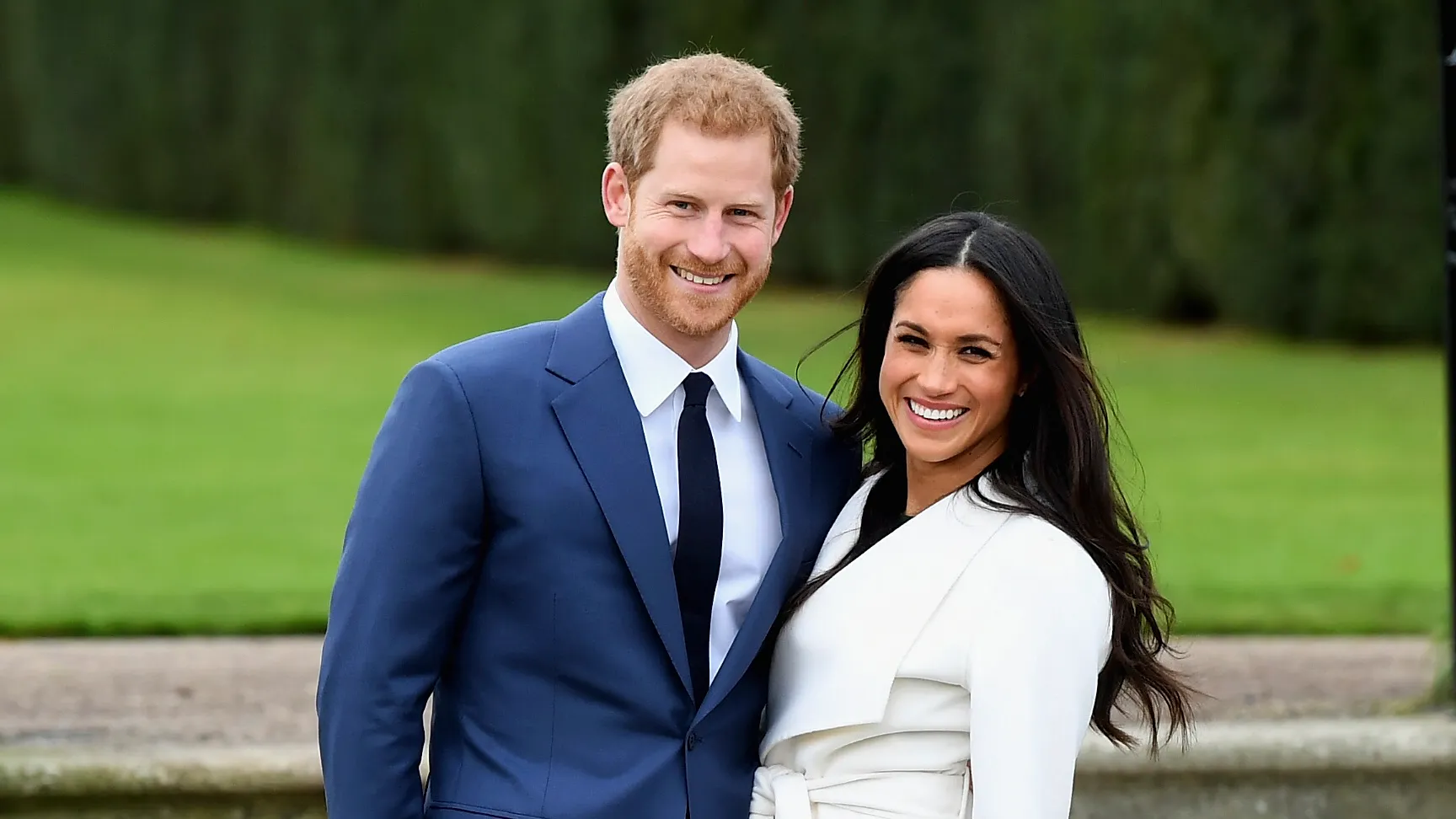
The cumulative effect of these events paints a picture of an operation at a crossroads. The rebrand to Archewell Philanthropies, intended to signal a new chapter, is being perceived externally as an act of desperation and strategic indecision. It underscores the fundamental challenge the Duke and Duchess face: translating global fame into a stable, respected, and financially independent enterprise without the institutional backing of the monarchy they left behind.
Their ability to secure major partnerships and donor funding is intrinsically linked to the strength and clarity of their brand. Each reinvention forces them to start the process of public education and acceptance anew, wasting valuable momentum and credibility. The fiscal sponsor model may streamline operations, but it also distances them from the hands-on charitable work that often generates the most positive publicity.
As the new year begins, the pressure is mounting. The Archewell financials demand a turnaround, the Netflix contract requires compelling new pitches, and the public narrative is increasingly skeptical. The shift to Archewell Philanthropies is not being read as evolution but as evidence of a struggle for relevance, cash, and a concrete identity. For Harry and Meghan, 2025 must be the year of consistent delivery, not another rebrand, if they are to silence their critics and prove their independent venture can thrive.