The simmering tension between 50 Cent and a cohort of New York rappers has erupted into a full-scale lyrical confrontation. On the latest episode of the “Let’s Rap About It” podcast, Fabolous, Jim Jones, and Maino launched a direct counterattack, releasing a scathing freestyle over 50 Cent’s own instrumentals.
 Dubbed the “Squatters Rights” freestyle, the track was promptly published to YouTube, ensuring maximum reach. The move is a direct response to 50 Cent’s persistent social media trolling, where he has repeatedly labeled the podcast crew “broke squatters.” The diss track turns the insult into a defiant rallying cry.
Throughout the session, the artists repeatedly chanted “Let’s squat about it,” a clear parody of their podcast’s name. Fabolous, in particular, took center stage with a verse that directly addressed 50 Cent. He even suggested renaming their show to “Let’s Squat About It,” fully embracing the derogatory term.
The freestyle’s release marks a significant escalation in what has been a largely one-sided feud. 50 Cent has maintained a relentless campaign of online jabs, often referencing an old interview where Fabolous spoke about Diddy. This history has kept the underlying rivalry alive for years.
While Fabolous and 50 Cent have historically had a lighter, more joking beef compared to other rap conflicts, this latest salvo signals a turning point. The decision to use 50’s beats and publish a formal diss track moves the conflict beyond Instagram memes and into the core of hip-hop battle tradition.
The “Squatters Rights” freestyle is not just a retort; it is a strategic power play. By commandeering 50 Cent’s musical property, the group asserts a form of artistic dominance. It frames their response as creative and substantive, contrasting with 50’s characteristically abrasive social media persona.
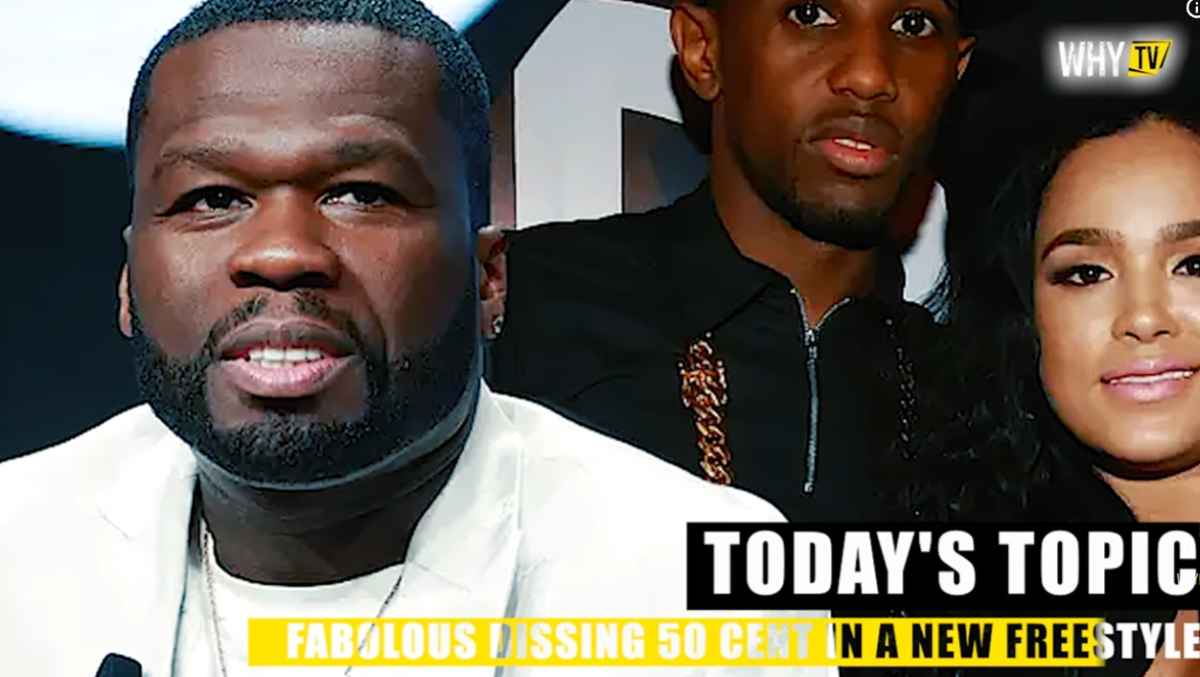
Industry observers note the calculated risk involved. Engaging 50 Cent, a master of media manipulation and viral conflict, often amplifies his platform. However, Fabolous, Jim Jones, and Maino have chosen to meet him on the musical battlefield, a domain where credibility is paramount.
The response from 50 Cent’s camp is now highly anticipated. Known for his swift and merciless counterattacks, the G-Unit mogul is unlikely to let this challenge pass without a formidable response. The digital streets are braced for the next chapter in this escalating war of words.
This incident underscores the evolving nature of rap feuds in the digital age. Conflicts ignite and spread across social media platforms but ultimately seek validation through traditional musical output. The diss track remains the ultimate currency of dispute.
The “Let’s Rap About It” podcast has strategically positioned itself at the center of this storm. Once a forum for discussion, it is now an active participant in a high-profile clash, guaranteeing a surge in viewership and cultural relevance from the controversy.
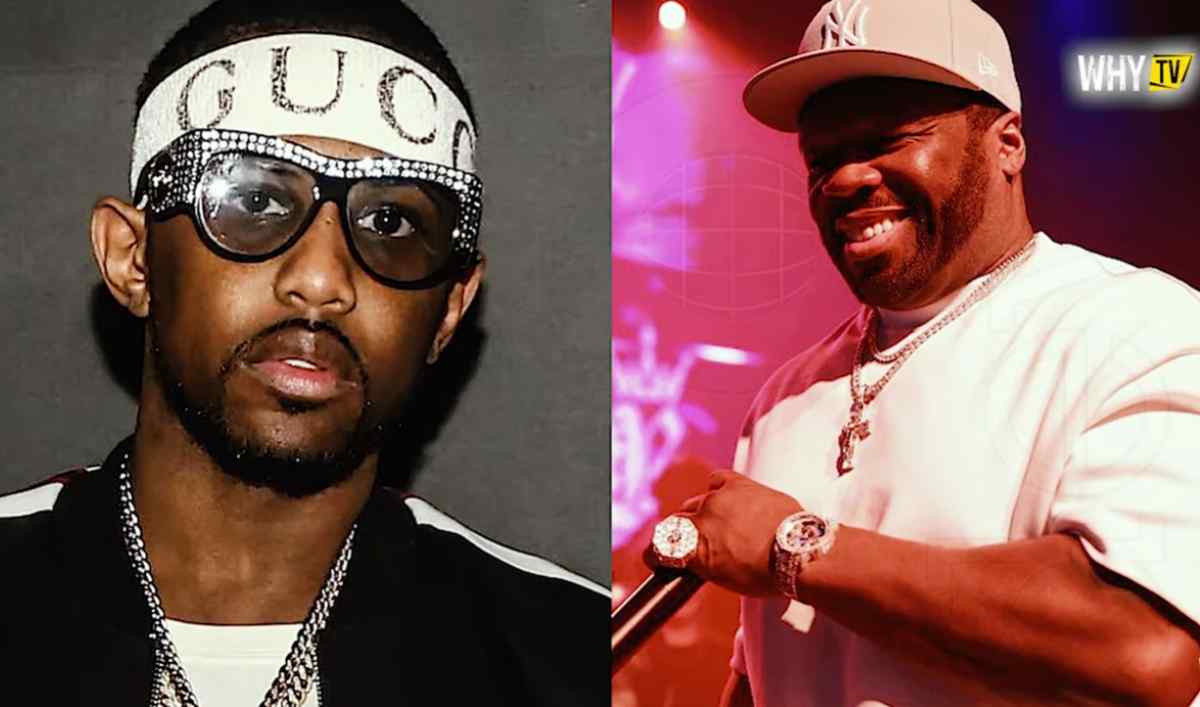
For Fabolous, this represents a rare and pointed re-entry into the competitive lyrical fray. Long respected for his technical skill, his direct aim at a figure of 50 Cent’s stature signals a renewed aggressive stance, potentially reshaping his public persona.
The use of the term “squatters” has become the central metaphor of the conflict. What began as an insult has been reclaimed and repurposed by the podcast crew, transforming a narrative of lack into one of resilient occupation and defiance.
As the track circulates online, fan reactions are sharply divided. Some applaud the crew for finally answering back with substance, while others question the strategic wisdom of provoking one of the industry’s most formidable and relentless personalities.
The broader implications for hip-hop are significant. This feud, involving multiple established artists from the New York scene, revives the tradition of competitive lyricism that has fueled the genre’s most memorable eras. It places artistic skill and quick wit at the forefront.

Analysts suggest the conflict may also be driven by deeper industry tensions and competition for relevance in a rapidly changing musical landscape. Public feuds generate attention, streams, and engagement, metrics that are increasingly vital for longevity.
The coming days will be critical. Will this freestyle stand as a definitive statement, or will it merely be the opening volley in a more protracted and bitter war? The ball is now firmly in 50 Cent’s court, and the entire music world is watching for his next move.
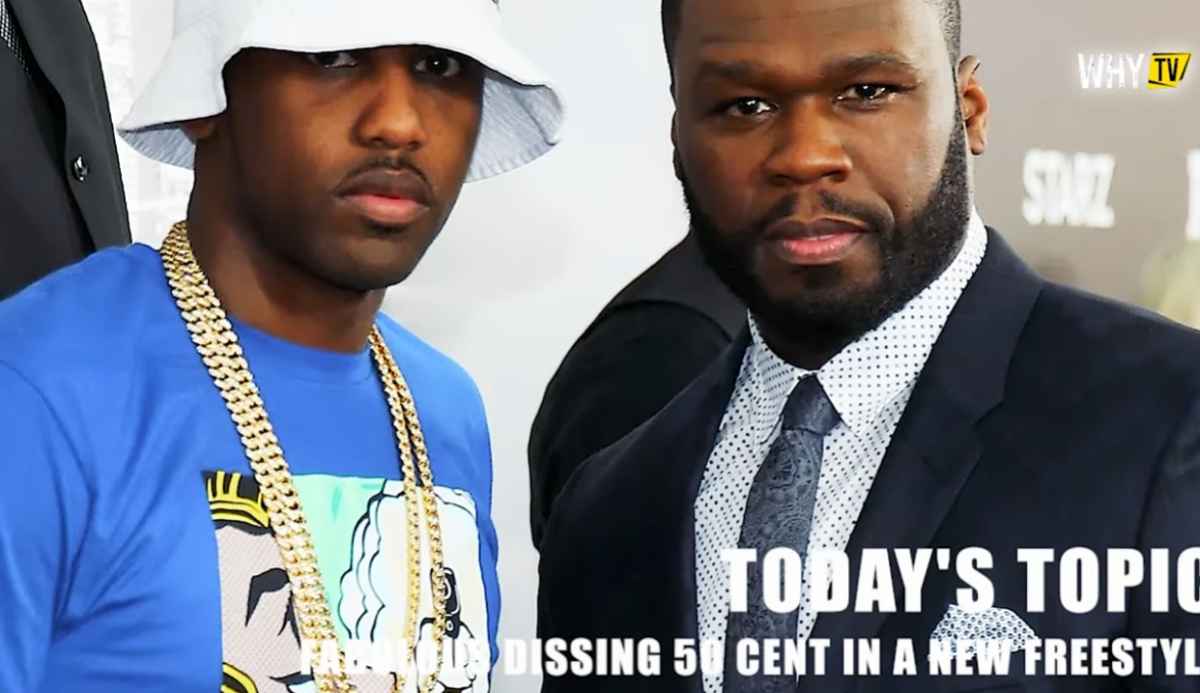
This breaking development ensures that the podcast, and its hosts, will remain headline fixtures. The “Squatters Rights” freestyle has successfully shifted the dynamic from reactive to proactive, forcing a response and capturing the narrative, if only temporarily.
The enduring lesson is clear: in the modern media ecosystem, no insult goes unchallenged forever. Fabolous, Jim Jones, and Maino have demonstrated that even against a giant, a coordinated and creatively sharp response can reset the terms of engagement entirely.
Ultimately, this event reinforces hip-hop’s core tenets of competition and verbal prowess. Regardless of the outcome, the “Squatters Rights” freestyle has already succeeded in reinvigorating a dialogue conducted through rhythm, rhyme, and relentless assertiveness.