The monarchy faces a deepening crisis as pressure mounts on King Charles III to permanently sever the institutional ties binding the Royal Family to his brother, Prince Andrew. With each new revelation in the long-running scandal, the King’s reluctance to enact a final, decisive separation is viewed as an escalating threat to the Crown’s stability.
 A source close to the palace revealed the situation has reached a critical juncture. “They are definitely running out of opportunities,” the insider stated, referencing allegations dating back over two decades. The core concern now centers on what Andrew has told his family privately during that time. “He must have had conversations with the King. They must have asked him years ago, ‘What is this all about, Andrew?'” the source said, questioning the Duke’s truthfulness and the consistency of his story.
This private turmoil directly contradicts the relentless public work of senior royals. “We’ve got a King working hard, Prince William working hard, and we need him to stop dropping the ball if the royal family is going to succeed,” the source emphasized, highlighting the intolerable distraction Andrew represents. The King’s personal aversion to confrontation is seen as a significant obstacle, a stark contrast to the late Queen Elizabeth II’s decisive action in stripping Andrew of military affiliations and royal patronages following his disastrous 2019 Newsnight interview.
That difference in approach was symbolized this week by the quiet removal of Prince Andrew’s heraldic banner from St. George’s Chapel at Windsor Castle. The banner, representing his membership in the prestigious Order of the Garter, was taken down without the formal warrant typically required, signaling a quiet but profound institutional rebuke. “It’s another humiliation for Andrew,” a royal commentator noted, calling the act an acknowledgment that his continued association with the ancient order was “inappropriate.”
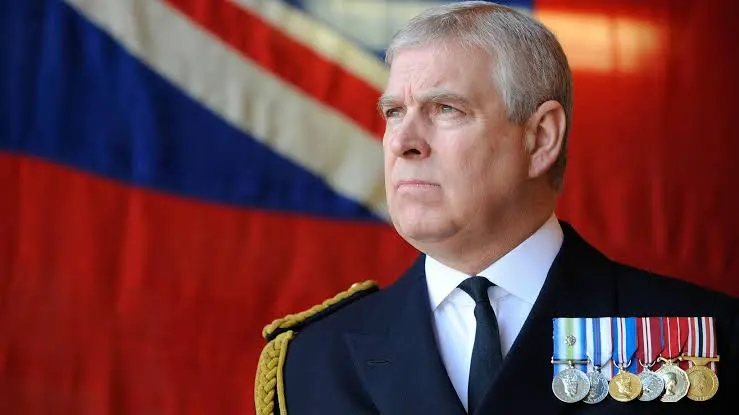
This move follows Andrew’s own attempt to pre-empt a gathering storm by issuing a statement last week in which he “voluntarily” gave up the use of his HRH style and his Duke of York title for official purposes. Palace observers, however, widely panned the move as a catastrophic misjudgment. The statement’s framing—that Andrew was stepping back to avoid distracting from the monarchy’s work and that he had “always done his duty”—was seen as tone-deaf and defiant.
“The public do not see Andrew as a man who’s always done his duty,” a veteran royal analyst stated. “They see this as being about a woman who is no longer with us… What the public wanted to see from Andrew was contrition, some understanding that his friendship with Epstein was morally wrong.” This failure to express remorse is compounded by evidence directly contradicting Andrew’s past claims. Despite telling BBC Newsnight in 2019 he had cut off contact with Jeffrey Epstein in 2010, newly revealed emails show he contacted the convicted sex offender in February 2011 with a message of support.
The email, sent the day after accuser Virginia Giuffre’s first major newspaper interview detailed her alleged abuse, read in part, “I’m more worried about you… We’re in this together. We’ll have to rise above it and we’ll play again soon.” This revelation has shattered any remaining credibility and fueled demands for more concrete action than symbolic title relinquishment. The crisis is further complicated by its impact on Andrew’s immediate family. His ex-wife, Sarah, Duchess of York, will also cease using her title, a move designed to protect their daughters.
“By asking Sarah and Andrew to give up their titles and not use them, then it didn’t have implications on Princesses Beatrice and Eugenie,” an observer explained. “The feeling I understand is that they didn’t particularly want to punish Beatrice and Eugenie for the sins of their father.” Despite this protection, the sisters remain inextricably linked to their father’s fate, both emotionally and practically, with their future inheritance of his Royal Lodge home at Windsor contingent on the ongoing arrangements.
The King now faces an impossible dilemma during a pivotal period for his reign. He is simultaneously navigating a major diplomatic and religious event while managing what a source described as “always the family issues that really bring the royal family down.” The consensus among commentators is that Prince Andrew’s presence on the periphery of royal life is no longer sustainable. His potential to trigger further scandal is seen as an existential risk.
“The King would much rather just do his job, do his duty, be a King than rather have to sit down and have to sort out his brother’s house,” a source lamented. Yet the institution he leads may not afford him that luxury. With a civil case settled but public condemnation growing, and with Giuffre’s allegations now detailed in a posthumous memoir, the pressure is shifting from Andrew himself to the monarch who must safeguard the Crown. Every day the formal, legal, and financial ties remain intact is viewed as a day the monarchy itself remains vulnerable.
The ultimate question is no longer about Andrew’s past actions, but about the King’s future resolve. Will Charles III initiate the complex and painful process of fully dissolving his brother’s formal links to the institution, or will he continue to manage a slow-rolling crisis that threatens to undermine the very hard work he and the Prince of Wales are striving to accomplish? The time for symbolic gestures has passed; the monarchy now requires decisive action to secure its future.