The Duchess of Sussex has launched a pointed and deliberate campaign to rebrand herself publicly as “Meghan Sussex” in a move commentators are calling a stark admission of her reliance on the royal connection for global relevance. This calculated shift was highlighted in a new interview and prominently featured in her latest Netflix series, sparking immediate analysis about her motives and the fragility of her independent celebrity.
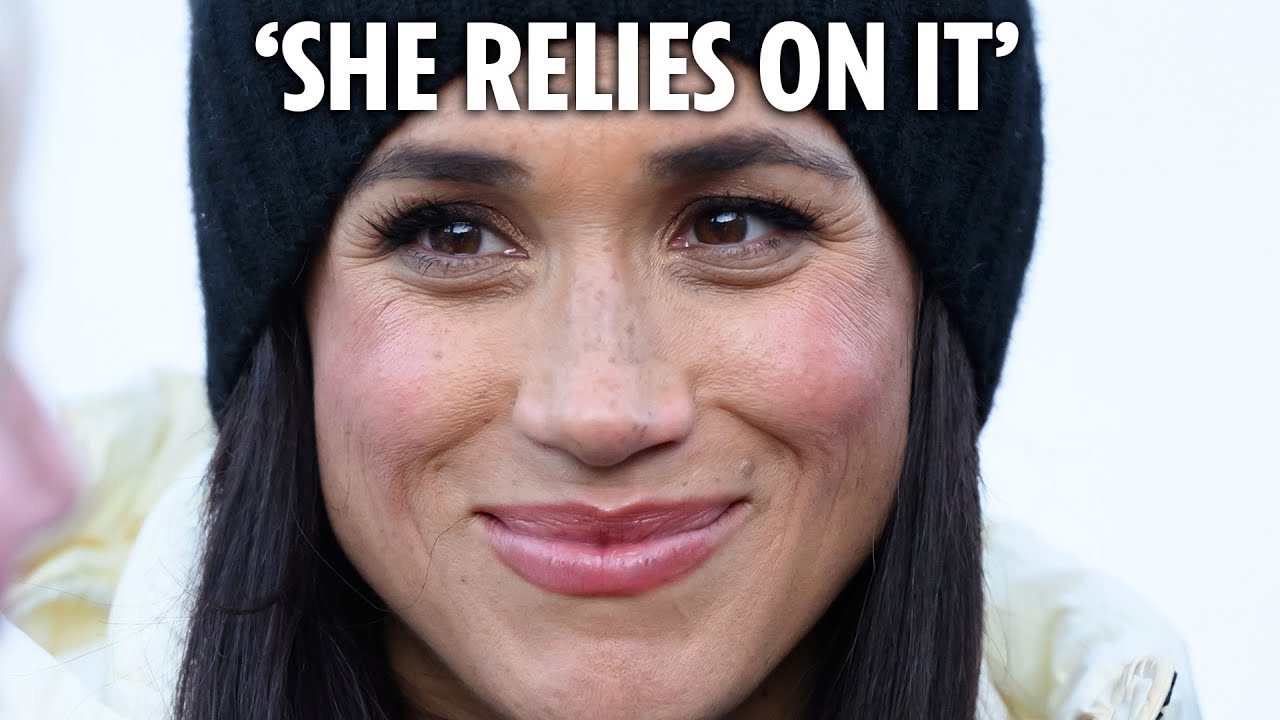 In a recently released episode of her Netflix documentary, Meghan corrected friend and actress Mindy Kaling after being referred to as “Meghan Markle.” The moment, described by observers as “passive-aggressive,” saw Meghan insist, “It’s so funny, but don’t you know I’m now a Sussex?” This followed a separate interview where she emphasized the personal meaning of the Sussex name, creating a coordinated media push.
Royal experts assert the rebranding effort underscores a fundamental truth: without the royal marriage, Meghan’s fame would not reach its current stratospheric level. Her profile before marrying Prince Harry, while successful as an actress on “Suits,” was that of a working professional largely unrecognized on the streets of London, a stark contrast to her current status as an international celebrity constantly in the spotlight.
The insistence on the Sussex title is seen as an attempt to solidify her position within the royal framework she has often criticized. Critics note the couple’s minimal tangible links to the county of Sussex, having visited only briefly since receiving the dukedom in 2018, which raises questions about the authenticity of the regional connection versus the value of the aristocratic brand itself.
Further complicating the name change is the intricate nature of royal surnames. The official family name for the House of Windsor is Mountbatten-Windsor, with Prince Harry and Meghan’s children using that surname. By publicly championing “Sussex,” Meghan is opting for her ducal title over the formal family name, a choice interpreted as both a branding exercise and a statement of her chosen identity.
 This is not the first time a member of the royal family has ventured into televised entertainment with mixed results. The move draws direct comparisons to Prince Edward’s infamous 1987 venture, “It’s a Royal Knockout,” a televised charity game show featuring senior royals in costume that was panned as a disastrous lapse in judgment and a blow to royal dignity.
That program, intended to show a more relatable, modern monarchy, instead served as a cautionary tale about overexposure and the perils of diluting the mystique that surrounds the institution. Edward faced severe media backlash and a humiliating press conference, ultimately retreating from television production to focus on his royal duties, a path that has since restored his reputation.
The historical precedent extends further back to the 1969 documentary “Royal Family,” commissioned by the monarchy itself to foster accessibility. While initially popular, it was later banned from rebroadcast over fears it had demystified the institution too greatly, making the royals too ordinary and eroding the essential distance that many believe underpins their authority.
Meghan’s series enters this complex history, attempting to balance personal narrative with her continued use of a royal title. The show’s overwhelmingly negative critical reception highlights the persistent difficulty royals face in court of public opinion when stepping directly into the arena of commercial entertainment and self-produced media.

The deliberate editing to include the “Meghan Sussex” correction indicates the moment was deemed a crucial message, not incidental conversation. This has led analysts to conclude she is acutely aware that her global platform is inextricably tied to her status as the Duchess of Sussex, a title conferred solely through her marriage into the British royal family.
The rebrand also arrives amid a period of significant commercial recalibration for the couple, whose Spotify deal was terminated and whose Netflix partnership continues under intense scrutiny. Establishing a clear, title-centric brand may be a strategic effort to solidify their marketability and unique selling point in the competitive media landscape.
Public reaction remains divided, with some viewing the name insistence as a rightful claim to her married identity and others interpreting it as a contradictory embrace of the very institution she and Prince Harry have publicly detailed grievances against in high-profile interviews and their own content.
Meanwhile, the broader royal family has seemingly learned from past media missteps, favoring carefully managed documentaries that focus on their charitable work and historical roles over reality-style programming. This contrast further isolates the Sussexes’ approach and underscores their departure from traditional royal media strategy.
The enduring lesson from “It’s a Royal Knockout” and the banned 1969 film is that the monarchy’s survival often depends on a careful equilibrium between visibility and inaccessibility. By monetizing their personal stories and insisting on their royal titles, Harry and Meghan are testing the limits of that balance in the modern digital era.
As the debate over the “Sussex” rebrand continues, it fundamentally circles back to questions of identity and legacy. The Duchess’s campaign to shed her pre-royal surname publicly confirms the immense power of the royal brand, a power that continues to define her world presence long after the couple’s physical departure from royal duties.
This latest episode ensures the Sussexes remain at the center of a relentless media narrative, one that examines their every move for signs of contradiction, commercial ambition, and their evolving relationship with the crown they have left behind. The name, it appears, is not just a name, but the entire foundation of their current enterprise.